Gamifying Education Without Compromising Learning
13 August 2026
Let’s face it—we live in a world where kids can spend hours building pixelated castles in Minecraft but struggle to stay awake through a 30-minute history lesson. Sounds familiar, right? That’s because traditional teaching methods often fail to capture attention like video games do. So, what if we could combine the fun of gaming with the power of education?
This is where gamifying education steps in. But here’s the big question: Can we make learning feel like a game without dumbing it down or losing its core value? Spoiler alert: Yes, we can—and we're going to show you how.
What Exactly Is Gamifying Education?
Let’s break it down.Gamifying education is all about applying game elements—think points, levels, badges, leaderboards, and challenges—into learning environments. The goal? To make studying feel as rewarding and engaging as playing a game.
But here’s the catch: It’s not about turning math into Candy Crush. It’s about using game mechanics to inspire motivation, engagement, and mastery. The real magic happens when education becomes so enjoyable, students forget they’re even learning.
Why Gamification Works So Well
Ever wonder why you can remember cheat codes from a 20-year-old video game, but not the periodic table? It all comes down to how our brains respond to games.When we achieve something in a game—like slaying a dragon or unlocking a new level—our brain releases dopamine. That’s the feel-good chemical that screams, “You did it!” Gamified learning taps into the same reward system, turning study goals into mini victories.
Motivation Matters
Gamification also addresses one of education’s biggest headaches: motivation. Let’s be honest, students (and even adults) aren’t always thrilled to study. But toss in a few game mechanics—like earning points for solving a problem or unlocking a badge for completing a module—and suddenly learning doesn’t feel like a chore anymore.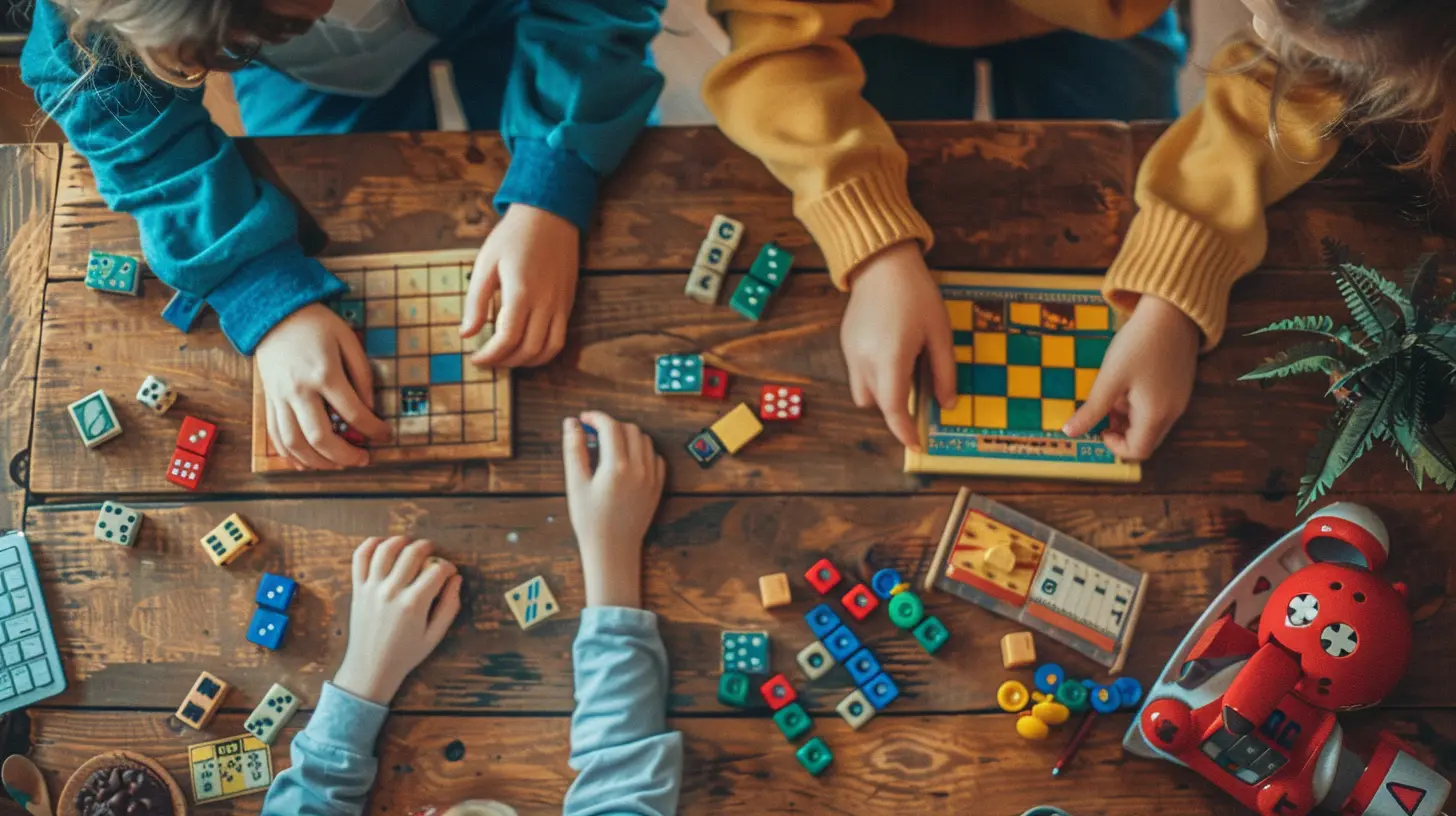
Key Elements of Gamified Learning
Before we dive into the “how,” let’s talk about the “what.” These are the most common elements you’ll find in a gamified learning setup:- Points: Awarded for completing tasks or answering questions.
- Badges: Trophies that show progress or skill mastery—like virtual bragging rights.
- Leaderboards: A little friendly competition never hurt. Ranking among peers can be highly motivating.
- Levels: Unlock new content or challenges as you progress.
- Challenges & Quests: Structured tasks that make learning feel like an adventure.
Mixing and matching these elements depends on the subject, age group, and learning objectives. But when done right, they can completely change the learning experience.
Benefits of Gamifying Education
You might be thinking, “This all sounds fun, but does it actually work?” Here’s the good news—it does. When gamification is done thoughtfully, it boosts more than just engagement. Check out these real benefits:1. Better Retention
Playing a game often requires you to practice certain skills or go through repeated attempts to level up. That repetition, paired with emotional engagement, helps cement knowledge.2. Encourages Active Learning
Instead of passively reading a textbook, students actively participate in the learning process. It’s more hands-on, more minds-on, and way more effective.3. Builds Resilience
Games are full of trial and error. You fail a level, you try again. Gamified learning nurtures a similar growth mindset. Students become less afraid of mistakes and more willing to try again.4. Personalization
In many educational games, learners can progress at their own pace. They tackle challenges suited to their skill level, creating a more personalized learning journey.Common Misconceptions About Gamified Learning
Let’s clear up a few myths before we go any deeper.“It’s all just play and no learning.”
Not true. When designed well, gamified content aligns tightly with learning objectives. Think of it like hiding veggies in a tasty smoothie—the nutrition’s still there, it's just delivered in a more palatable way.“It fosters competition instead of collaboration.”
Sure, leaderboards can spark competition, but many gamified platforms also include group quests or team challenges, fostering cooperation and collective problem-solving.“It’s only for younger students.”
Big nope. Adults are just as susceptible to the power of game mechanics. Ever used a language learning app like Duolingo? That’s gamified learning in action—for grownups!Real-Life Classroom Examples
Still skeptical? Here are a few ways educators are already crushing it with gamification:- Classcraft: This turns the whole classroom into an epic RPG. Students pick roles (like Warrior or Healer) and earn XP for positive behavior and academic achievements.
- Kahoot!: Teachers create quiz games where students compete in real-time. It’s fast-paced, interactive, and perfect for review sessions.
- Minecraft: Education Edition: Yep, that’s a thing. It uses the popular block-building game to teach subjects ranging from history to coding.
Teachers have reported huge increases in engagement, collaboration, and even attendance. And the best part? These tools don’t sacrifice educational goals—they enhance them.
Tips for Gamifying Your Own Learning Environment
You don’t need a huge budget or fancy software to gamify learning. Even simple tweaks can make a big impact. Here’s how to get started:1. Set Clear Objectives
Start by defining what students should learn. Then figure out how game mechanics can support those goals.2. Reward Progress, Not Just Perfection
Celebrate effort and improvement. Give points for completing assignments on time, participating in class, or helping others—not just for correct answers.3. Create Challenges or Quests
Instead of “read Chapter 5,” say something like, “Your next quest is to uncover the secret of the Civil War.” It makes tasks sound way more exciting.4. Use a Points System
Assign values to different tasks. Completing homework might be worth 100 XP, while writing an essay could earn 500 XP. Track progress visually with a progress bar or chart.5. Don’t Forget Feedback
Games always provide instant feedback—why shouldn't learning do the same? Quick comments, badges, or even virtual high-fives can keep students motivated.Striking the Balance: Fun vs. Function
Here’s where things get tricky. It’s easy to get swept up in the fun and forget the function. You know that moment when you’re so into a mobile game that you forget what day it is? We want gamified learning to be engaging, not distracting.Make sure the gaming elements serve the learning outcomes—not the other way around. If you find students obsessing over points but ignoring the actual content, it’s time to reevaluate the setup.
The Role of Technology
Thanks to modern tech, gamified learning is easier than ever. From mobile apps to LMS platforms, tech offers endless possibilities for customization and creativity.Platforms like Duolingo, Prodigy, Quizizz, and Kahoot! have built entire ecosystems around gamified learning. They let students learn at their own pace and make the whole process a lot less boring.
But remember: You don’t need to go full Matrix. Even low-tech classrooms can implement gamified strategies using paper-based badges, group challenges, or scavenger hunts.
Gamification Isn’t a Silver Bullet
Now, a quick reality check. While gamification is powerful, it’s not a cure-all. It works best when it complements strong teaching, not replaces it.Also, not every subject or student will respond the same way. Some kids love competition, others? Not so much. Be flexible. Test different approaches. Keep what clicks and tweak what doesn’t.
Final Thoughts
So, can we gamify education without compromising learning? Absolutely.If done with intention, gamification can turn an ordinary lesson into an unforgettable experience. It taps into what drives us as humans: achievement, curiosity, and a bit of friendly rivalry. It keeps learners coming back not because they have to—but because they want to.
At the end of the day, education doesn’t need to be serious to be effective. Sometimes, the most valuable lessons are the ones we didn’t even realize we were learning.
So go ahead—roll the dice, gain some XP, and level up that learning experience.
all images in this post were generated using AI tools
Category:
Educational GamesAuthor:

Stephanie Abbott