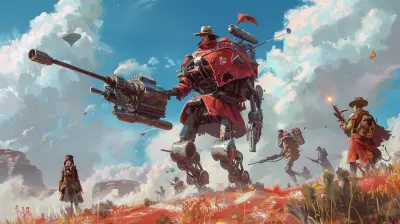
Free vs Paid Content: Striking the Right Balance
20 June 2026
Let’s be honest—everyone loves free stuff. Whether it's a free-to-play mobile game or a limited-time trial of a premium RPG, gamers flock to anything that gives them a taste without touching their wallet. But here’s the catch: not all free content is created equal, and sometimes that “free” ends up costing more in time, frustration, or quality than you realize.
On the flip side, paid content often promises richer experiences—think deeper gameplay, better graphics, fewer ads, and overall polish. But is paying always worth it? And how the heck are we supposed to figure out the sweet spot between free and paid content?
That’s exactly what we’re diving into today. Let’s break it down in a way that makes sense, whether you’re a casual gamer, a hardcore completionist, or someone who’s just tired of ads popping up mid-game.
The Allure of Free Content
Why Free Is So Tempting
Let’s face it—free is hard to say no to. It’s like someone handing you a pizza slice. You weren’t planning to eat, but hey, it's free pizza. When it comes to games, free content is the ultimate low-risk, high-reward situation (at least on the surface).You get to:
- Try new games without commitment
- See what a game’s about before investing money
- Enjoy casual gaming without pressure
- Experience a range of genres
Think of games like Fortnite, Genshin Impact, or Call of Duty: Warzone. These titles have nailed the free model. You get access to a ton of content without paying a dime—until you choose to dive deeper.
The Hidden Costs of “Free”
But guess what? Free doesn’t always mean free.You might find yourself:
- Watching ads constantly
- Grinding endlessly to unlock features
- Lacking content depth or story progression
- Spending more over time through microtransactions
Some free games put the fun behind a paywall. “Want better gear? Fork over the cash.” That’s not fun—it’s frustrating. It's like getting into a theme park for free but having to pay for every single ride.
The Value of Paid Content
What You Typically Get with Paid Content
Paying for content can feel like a gamble, especially if you're on a budget. But truthfully, paid content often delivers a more refined experience. Here’s what you usually unlock:- Premium game modes and full stories
- Higher quality visuals and gameplay
- No (or fewer) ads
- Faster progression
- Exclusive in-game items or expansions
For games like The Witcher 3, God of War, or Elden Ring, paying upfront means you're investing in a deep narrative, polished mechanics, and hundreds of hours of content.
Paid games have skin in the game—literally. Developers often pour more resources into content users actually pay for. In most cases, this means better performance, better support, and better updates.
Is Paid Always Better?
Not necessarily. Not all paid content lives up to the hype. Ever been burned by buying a game based on a sick trailer or slick marketing—only to find it buggy, short, or flat-out boring?Yup. We’ve all been there, and it sucks.
Just because you pay doesn’t mean it’s good. That’s why reviews, user feedback, and gameplay previews matter. It’s also why some games offer a hybrid model—kind of like a try-before-you-buy approach.
The Hybrid Model: Best of Both Worlds?
What Is the Freemium Model?
You’ve probably heard of the term “freemium.” It’s a blend of “free” and “premium” —and it’s everywhere.Games like Clash Royale, Apex Legends, or League of Legends let you start for free and offer premium upgrades for those who want more. Whether it’s skins, power-ups, or season passes, the extras are optional—yet tempting.
This model works well because:
- New players get a taste with zero commitment.
- Devs still make money from loyal fans.
- It allows flexible spending—buy what YOU want.
It’s like going to a buffet—you can have a free sample, and if you like it, you can pay to get the full plate.
Finding the Right Balance
This is where things get interesting. Striking the right balance between free and paid content is like cooking the perfect steak—not overdone, not too raw. Just right.Game devs need to:
- Make free content valuable enough to hook players
- Avoid paywalls that frustrate players
- Ensure paid content feels rewarding, not necessary
- Respect time and money equally
Players, on the other hand, need to:
- Recognize when free content is worth their time
- Understand what they’re paying for
- Support games they love (if they can afford to)
When both sides meet in the middle, the outcome is pretty magical. You get a community that’s engaged, devs that are motivated, and a game that thrives long-term.
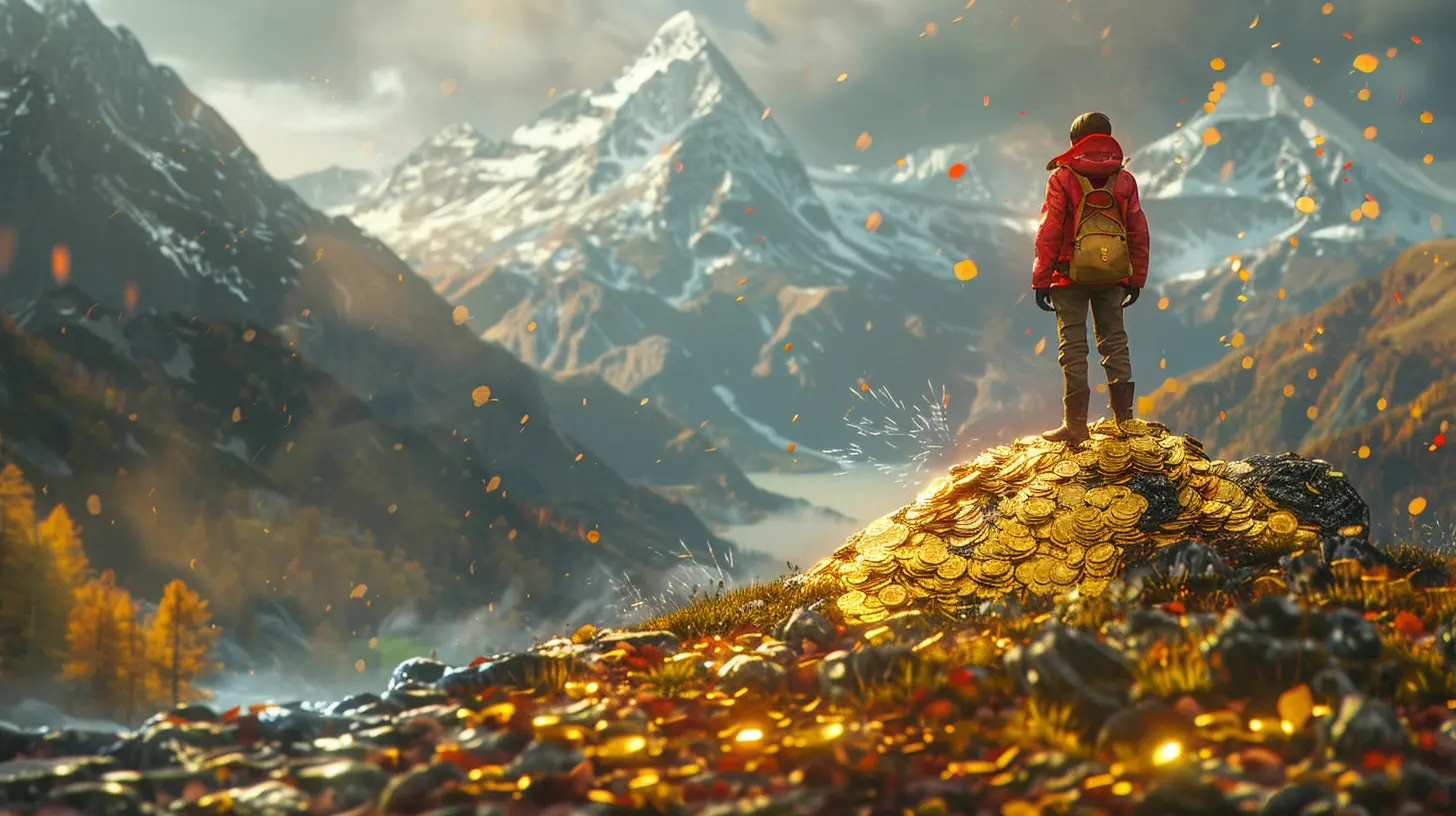
Monetization Models: What Works and What Doesn’t
Common Models in Today’s Games
Let’s break down the most common monetization strategies out there:1. Free-to-Play with Microtransactions – Like Genshin Impact or Clash of Clans. Free to start, but lots of purchasable goodies.
2. Subscription-Based – Think Xbox Game Pass, PS Plus, or Apple Arcade. You pay monthly, and in return, get access to a library of titles.
3. Buy-to-Play – Full games with a one-time fee, like Elden Ring or Minecraft.
4. Season Passes/Battle Passes – You get ongoing content with each season, often found in FPS and MOBA games.
5. DLC and Expansion Packs – Additional content, like new maps, characters, or campaigns.
Each has its pros and cons. The best model? It depends on the game—and the gamer.
What Turns Players Off
Monetization shouldn’t feel like manipulation. Players hate:- Pay-to-win mechanics (where whales dominate)
- Overpriced cosmetics with no real value
- Locked content that should’ve been part of the base game
- Surprise paywalls mid-game
Gamers are smart and vocal. If your monetization strategy feels shady, they’ll call it out.
How to Know What’s Worth Paying For
Not all premium content is created equal. So how do you figure out what’s worth your cash?Here’s a handy checklist:
- Does it add significant gameplay time or value?
- Will it improve your in-game experience (without being essential)?
- Are players generally happy with the content?
- Is it a one-time cost or recurring?
- Do you actually want it, or is it just FOMO?
Always think: “Would I miss this if I didn’t buy it?”
Spoiler alert: If the answer is “no,” you're probably good to skip it.
Supporting Developers Without Breaking the Bank
Let’s not forget—game development isn’t cheap. Supporting your favorite devs can help keep the games (and updates) rolling in.Ways to support devs while staying budget-friendly:
- Buy a skin or a value pack occasionally
- Leave a positive review
- Share the game with others
- Engage with community events
Every bit helps. And if you can’t spend money? No stress. Your engagement still matters.
The Future of Game Content: Where Are We Headed?
Games are evolving faster than ever. From cross-play to cloud gaming and AI-powered NPCs, the industry is leveling up.We can expect:
- More games adopting hybrid models
- Subscription-based access extending to indie titles
- AI helping create more dynamic in-game worlds
- Ethical monetization becoming a bigger focus
- More transparency in pricing/content roadmaps
As gamers, we’re in a unique spot to shape the industry. Supporting transparency and rewarding quality content (free or paid) helps steer developers in the right direction.
Final Thoughts
At the end of the day, the debate of free vs paid content isn’t about which is better. It’s about balance—giving players choice, respecting their time and money, and creating content that keeps the fun alive.If you're a developer, aim to create a fair system where free players can still enjoy the game and paid users feel rewarded. And if you're a gamer, don’t be afraid to spend a little if you love a game—it all helps fuel more of what you enjoy.
Game on, friends. Whether you're grinding a free RPG on your phone or diving into the latest AAA release—you deserve a gaming experience that feels fair, fun, and fulfilling.
all images in this post were generated using AI tools
Category:
Game MonetizationAuthor:

Stephanie Abbott
Discussion
rate this article
1 comments
Kismet Reilly
Finding the right balance between free and paid content in games is crucial. Free content can attract players, while well-priced paid options enhance the experience and support developers. It's all about value and engagement.
June 27, 2026 at 4:15 PM