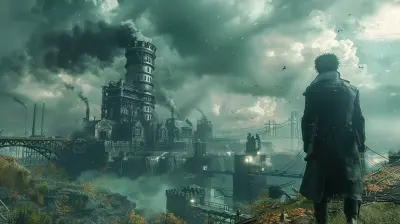
Dual Realities: Understanding the Split World of Control
9 May 2026
Ever stumbled into a game that instantly flips your reality on its head? That's what Control by Remedy Entertainment does—and it does it so well, you’ll find yourself questioning what’s real and what’s not within minutes of hitting “New Game.” Buckle up, because we’re about to dive deep into the concept behind this trippy, mind-bending masterpiece—dual realities. Yep, we’re talking dreamlike shifts, alternate dimensions, and some seriously wild physics that’ll make you think someone spiked your coffee.
In this article, we’re going to peel back the layers of Control’s split world, uncover the mysteries of the Oldest House, and understand how it all ties into the day job of Jesse Faden—your reluctant but badass protagonist. Ready? Let’s enter the astral plane (metaphorically, of course).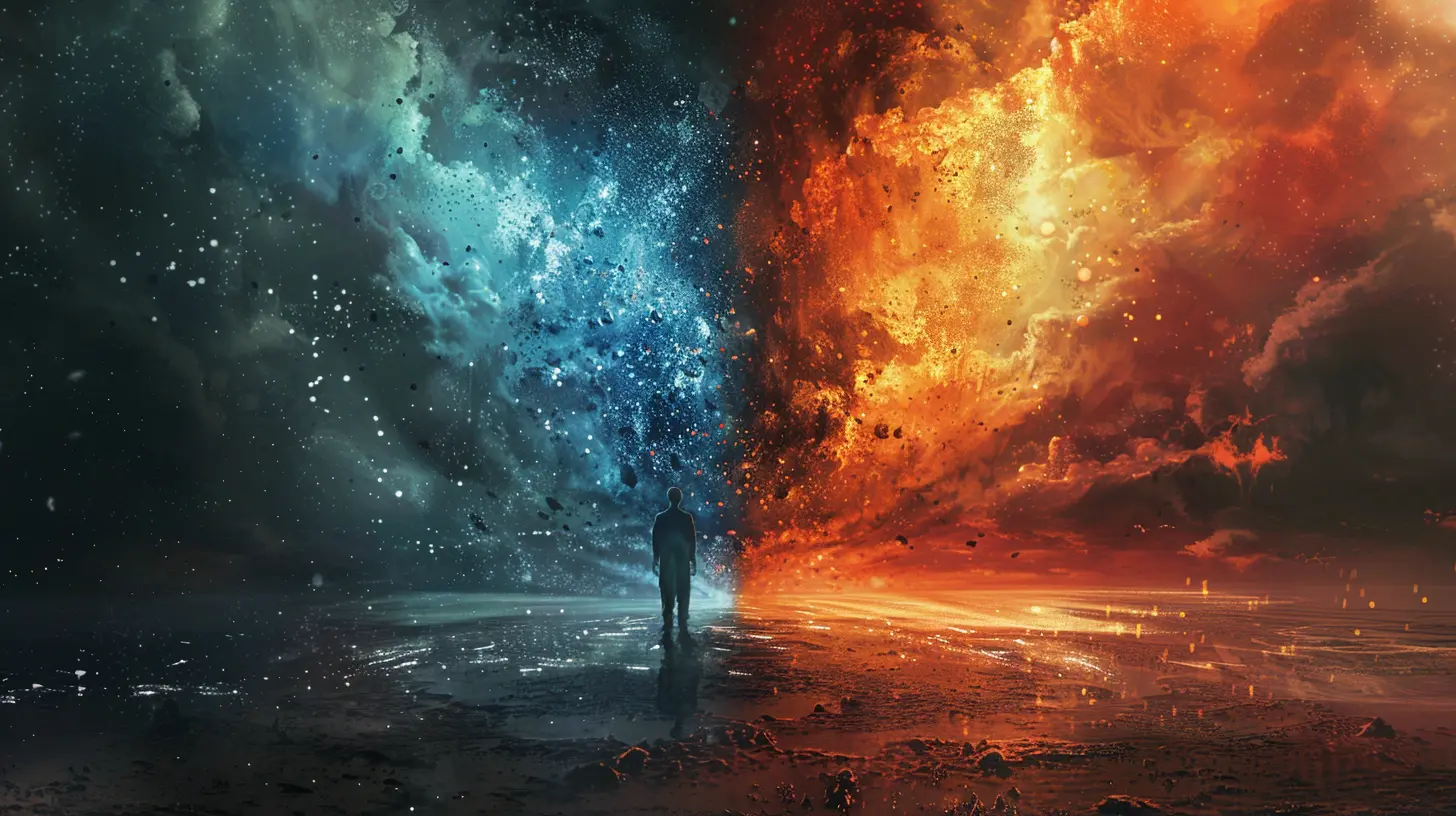
Welcome to the Oldest House: Where Reality Is Optional
You know that feeling when you walk into a room and feel like you've been there before, but everything is slightly... off? That’s the Oldest House in a nutshell. It’s a shape-shifting skyscraper hidden in plain sight, home to the Federal Bureau of Control (FBC). And no, we’re not talking about your average government office with cubicles and bad coffee.The Oldest House refuses to obey the laws of physics. Hallways warp. Doors lead to nowhere—or everywhere. It’s like someone hit shuffle on the floor plan and forgot to tell HR. But here’s the kicker: this building sits at the heart of Control’s dual realities.
Jesse arrives here looking for her missing brother, Dylan. But instead, she finds herself thrust into a conflict between dimensions, wielding a transforming gun, and stepping into the role of Director of the FBC. Casual, right?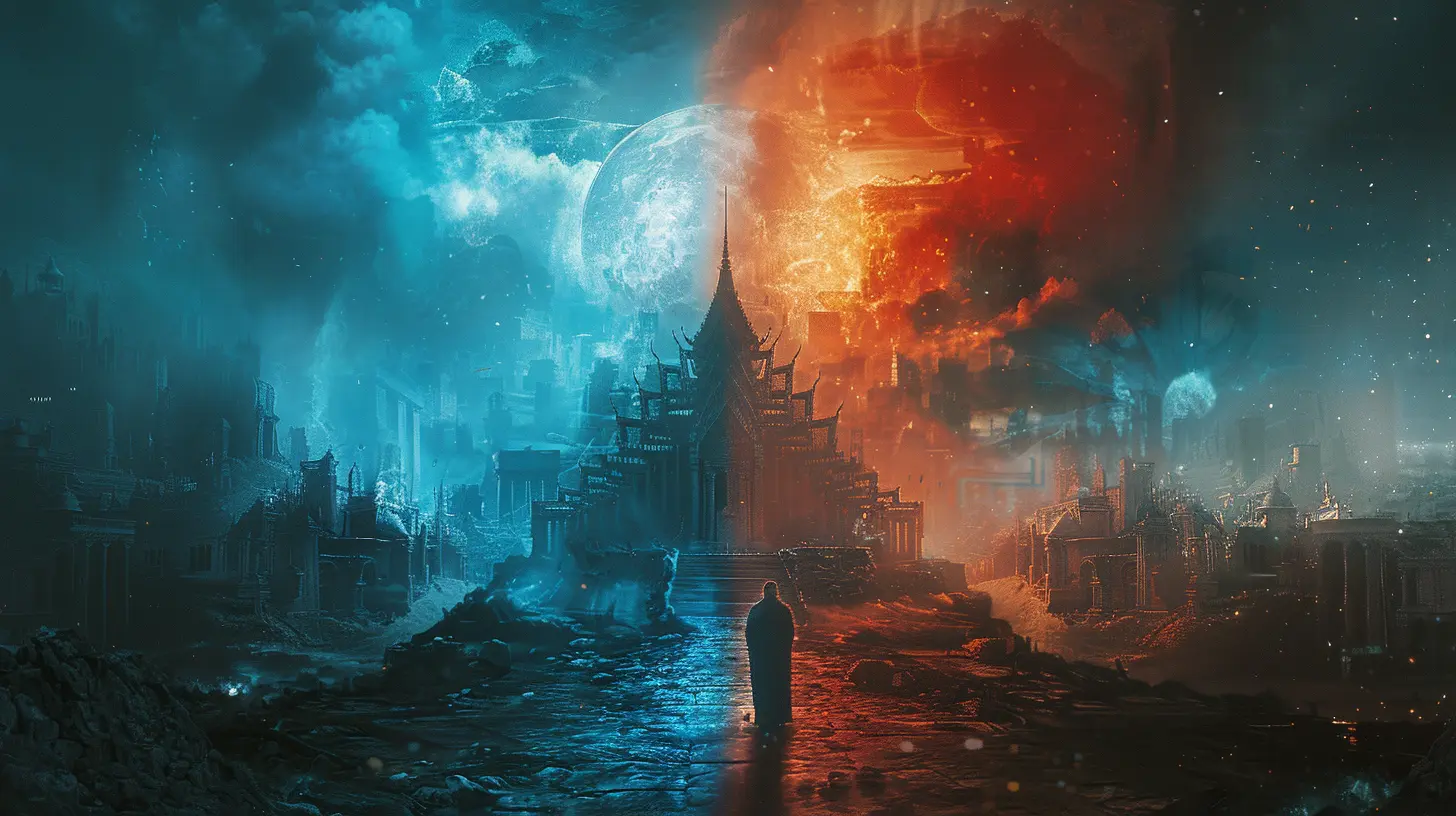
What Exactly Are "Dual Realities"?
Let’s break this down without sounding too sci-fi. Dual realities in Control refer to two coexisting planes of existence: the physical world and the Astral Plane. Think of it like flipping a coin. Heads and tails may look different, but they’re part of the same coin. That’s Jesse’s world.The physical reality is the one we (sort of) understand—it has gravity, walls, people, and the occasional haunted refrigerator. Then there’s the Astral Plane, a surreal, stark-white dimension filled with floating platforms, creepy cubes, and odd entities that seem to defy logic.
Now fuse these two realms together. Jesse constantly shifts between them, whether physically or mentally. Sometimes, her surroundings twist and reshape in real-time, revealing hidden truths or unspoken horrors. The result? A gameplay experience that feels like you’re walking a tightrope between sanity and chaos.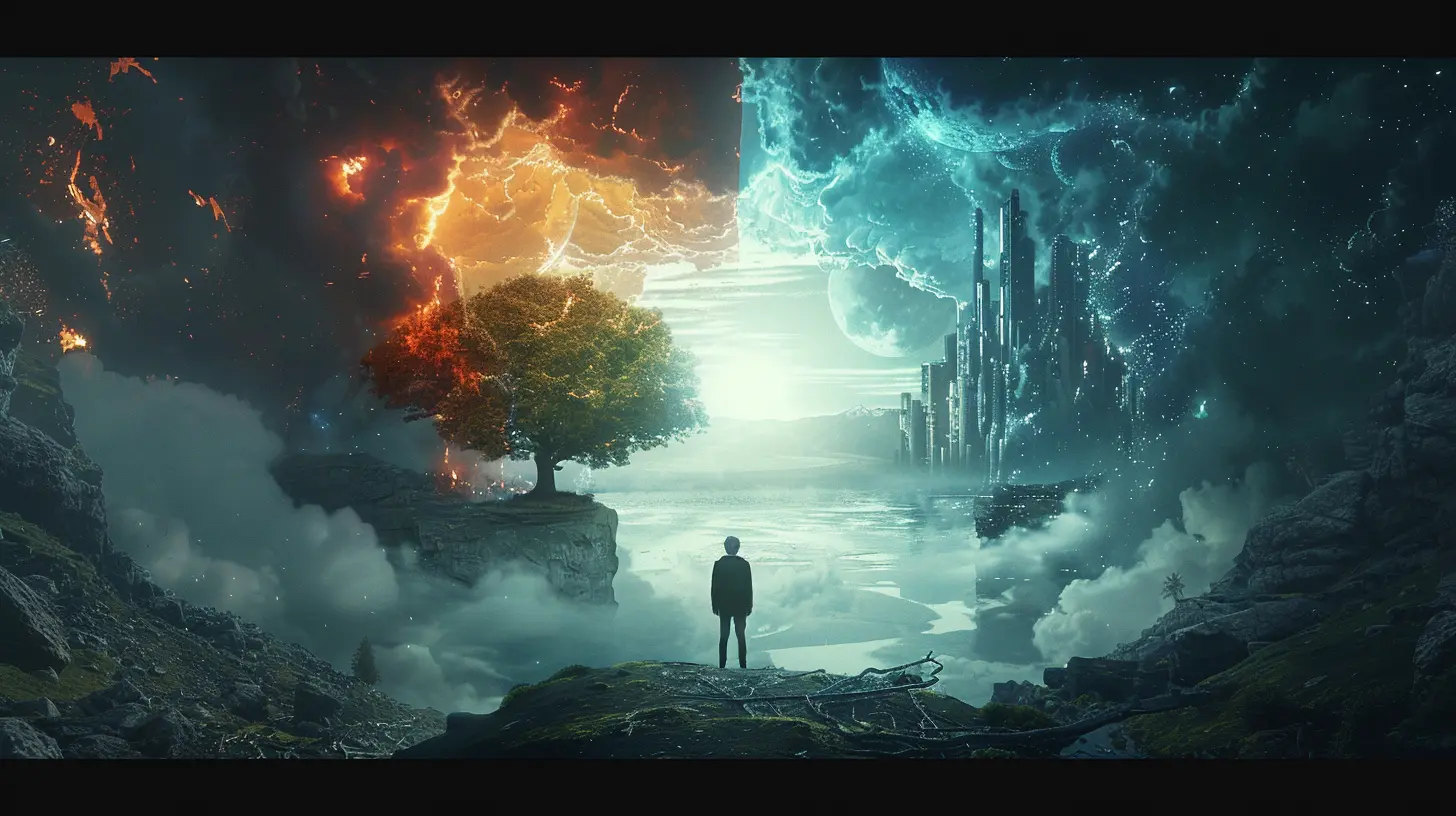
The Hiss: A Frequency With Attitude
You can’t talk about Control without mentioning the Hiss. These guys are the uninvited guests at the party—hostile, unwavering, and unsettlingly poetic. The Hiss is an interdimensional force that infects people through sound. That’s right—this threat spreads by hijacking frequencies and essentially hacking minds.Once possessed, victims of the Hiss become mannequins of destruction. They float mid-air, mumble disturbing mantras, and attack without warning. It’s like Invasion of the Body Snatchers meets a Pink Floyd album.
Now, here’s where the duality kicks in again. Some people can resist the Hiss. Jesse, thanks to a mysterious object called the Service Weapon and her unique connection to the Astral Plane, can not only resist the Hiss but push it back. She becomes a bridge between two distorted realities—one affected by the Hiss, and one trying to contain it.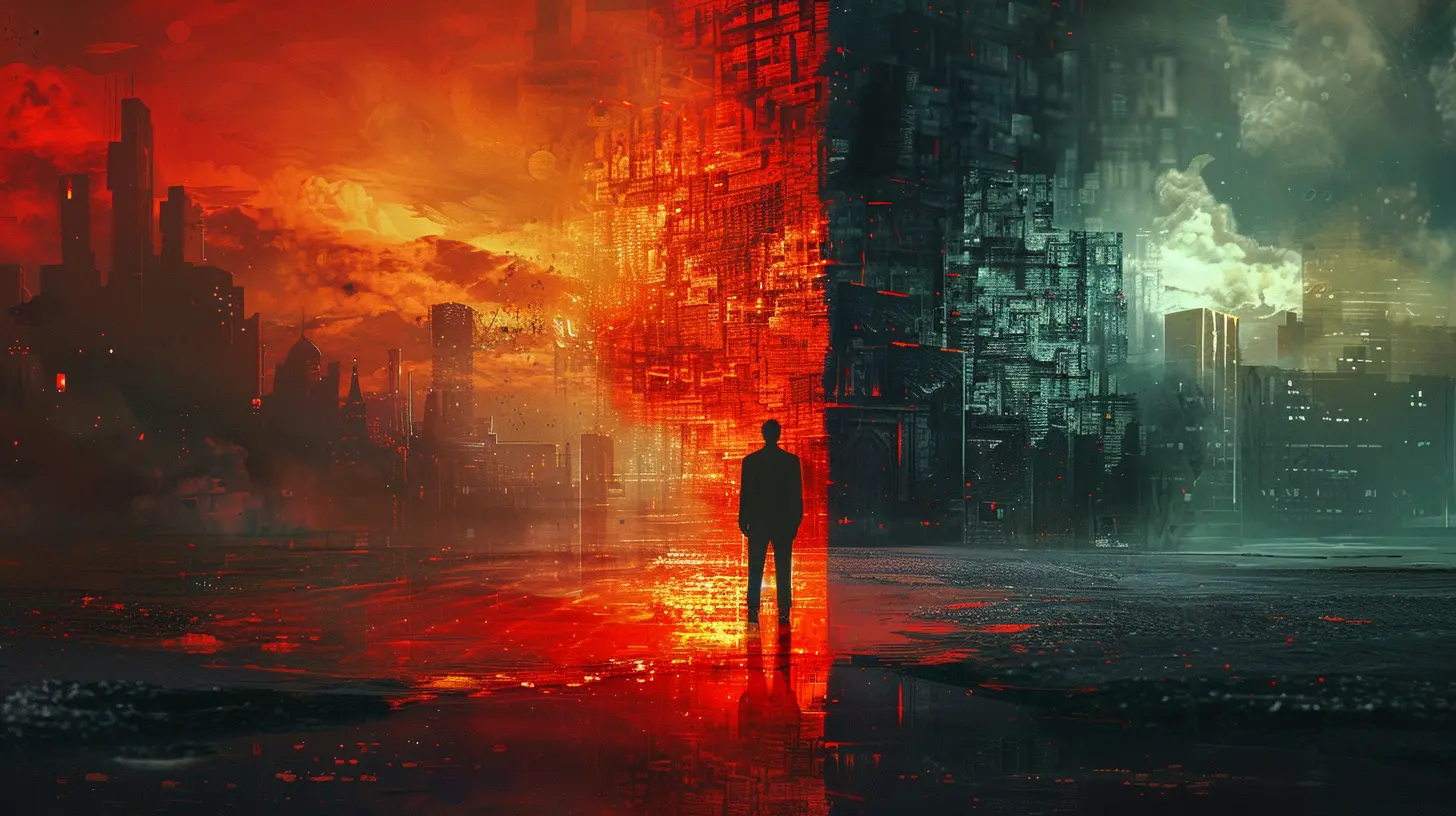
Paranatural Objects and Altered Items
Control throws another curveball with its brilliant use of “Objects of Power” and “Altered Items.” These are everyday objects (like a rubber duck or a floppy disk) infused with otherworldly energy. When exposed to the Astral Plane or powerful emotions, they gain unpredictable—often dangerous—abilities.For example, one object lets you levitate, another lets you hurl chunks of concrete like a Jedi on steroids. These aren’t just gimmicks for gameplay—they tie into the narrative’s core theme of reality being unstable and malleable.
Each of these items blurs the line between normal and paranormal. Imagine picking up a light switch and suddenly being teleported across the building. That’s the level of weird we’re dealing with.
Jesse Faden: More Than Just a Hero
While the environments in Control steal the show, Jesse is the glue holding it all together. She’s not your average video game lead. She’s vulnerable, sarcastic, curious, and constantly talking to a mysterious voice in her head—which is actually you, the player. No, really.This narrative device is genius. It adds another layer to the concept of dual realities. Jesse interacts with the physical world, navigates the Astral Plane, and chats with an all-knowing entity (you). She’s always juggling multiple versions of reality—from her traumatic childhood to her current status as Director—and each decision she makes ripples across both realms.
It’s like she’s living in a reality sandwich, with the meat being time loops, psychic powers, and bureaucratic nightmares. Yum.
The Bureaucracy of the Unreal
One of the joys of Control is how it mixes the absurd with the mundane. You’ve got otherworldly beings, yes—but they’re being analyzed, catalogued, and managed by a typical (if slightly shady) government agency.This juxtaposition presents yet another duality. On one side, a soul-crushing bureaucracy with endless red tape. On the other, chaotic energy that refuses to follow rules. The FBC is constantly trying to understand and contain the uncontainable.
There are memos about haunted vending machines, safety manuals for dealing with living shadows, and reports written in dry corporate lingo about people vanishing into alternate dimensions. It’s absurd—and also oddly believable.
Gameplay Reflects the Theme
Okay, so let’s talk mechanics. Control isn’t just throwing these ideas at you for the heck of it. The gameplay mirrors the split reality concept perfectly.At any given moment, you can levitate, dash, hurl objects with your mind, or shift realities during boss fights. Environments morph before your eyes. Walls explode in a ballet of debris and light. It feels like you’re dancing through a David Lynch movie.
And the missions? They often require interacting with screwed-up dimensions, solving a light puzzle on one side that affects the other. It’s like jumping between two broken mirrors trying to find your reflection.
The Alan Wake Connection: More Than Just an Easter Egg
If you’re a Remedy fan, you probably noticed some familiar names and creepy parallels. Yes, Control is set in the same universe as Alan Wake—a psychological thriller game where the protagonist literally writes reality.Here’s where things get spicy. Alan Wake delves into a “Dark Place,” an alternate reality influenced by creativity and fear. Sound familiar? Control picks up on that theme and expands it. DLC content even brings Jesse face-to-face with events and characters from Alan Wake, blurring not just two realities—but two entire games.
Think of it like a multiverse with homework. The more you dig, the more you realize this isn’t just dual realities—we’re dealing with interconnected planes of creative madness.
Why Dual Realities Make Control Special
So, what’s the big deal? Plenty of games have alternate dimensions and spooky metaphysical fluff. But Control nails the concept in a way that feels cohesive, smart, and most importantly—fun.It makes you question what's real within the game and even yourself. The sense of unease, the fragmented storytelling, and the ever-shifting world push you to think differently. You’re not just playing the game—you’re interpreting it.
It’s like Control hands you a jigsaw puzzle with missing pieces, then tells you, “By the way, the picture changes every time you try to finish it.” Confusing? A little. Rewarding? Absolutely.
Final Thoughts: Embrace the Weird
If you’ve made it this far, hats off—you’re clearly ready to navigate the weird, wild world of Control. It challenges you to accept that not everything has answers. Sometimes, the world splits. Sometimes, your gun talks to you. And sometimes, elevators transport you into giant clocks.That’s the beauty of Control. It doesn’t just present dual realities; it lives and breathes them. In a world dominated by cookie-cutter narratives and predictable mechanics, Control rips through the wallpaper and screams, “This is what art looks like when it’s armed with telekinesis.”
So go on, step into the Oldest House, suspend disbelief, and don’t forget to look behind the curtains—because reality has layers, and in Control, nothing is ever quite what it seems.
all images in this post were generated using AI tools
Category:
Lore And StorylinesAuthor:

Stephanie Abbott
Discussion
rate this article
2 comments
Graham Peterson
This article brilliantly explores the duality in Control, highlighting its unique storytelling and immersive mechanics.
June 11, 2026 at 5:09 AM
Stephanie Abbott
Thank you! I'm glad you enjoyed the exploration of duality and the storytelling in Control. It's such a rich game to discuss.
Faenor McConnell
Exploring the dual worlds in Control is a fascinating journey. Embrace the adventure and uncover the mysteries that await you.
May 11, 2026 at 2:45 AM
Stephanie Abbott
Thanks for your thoughts! The dual worlds in Control really do offer a unique experience for exploration and discovery. Glad you enjoyed it!