Creating a Game-Based Learning Environment at Home
24 July 2026
Have you ever watched your kid get completely lost in a game—eyes lit up, hands flying across the controller, solving puzzles like a tiny genius? Now imagine if that same energy and focus went into learning math, history, or science. Sounds like a dream, right? Well, it’s not just possible—it’s powerful. Game-based learning is a game changer (pun totally intended), and with the right approach, you can bring it right into your living room.
Whether you’re homeschooling, supplementing school learning, or just want to turn screen time into smart time, creating a game-based learning environment at home is a brilliant way to blend fun and education. Let’s dive deep into how to make this happen.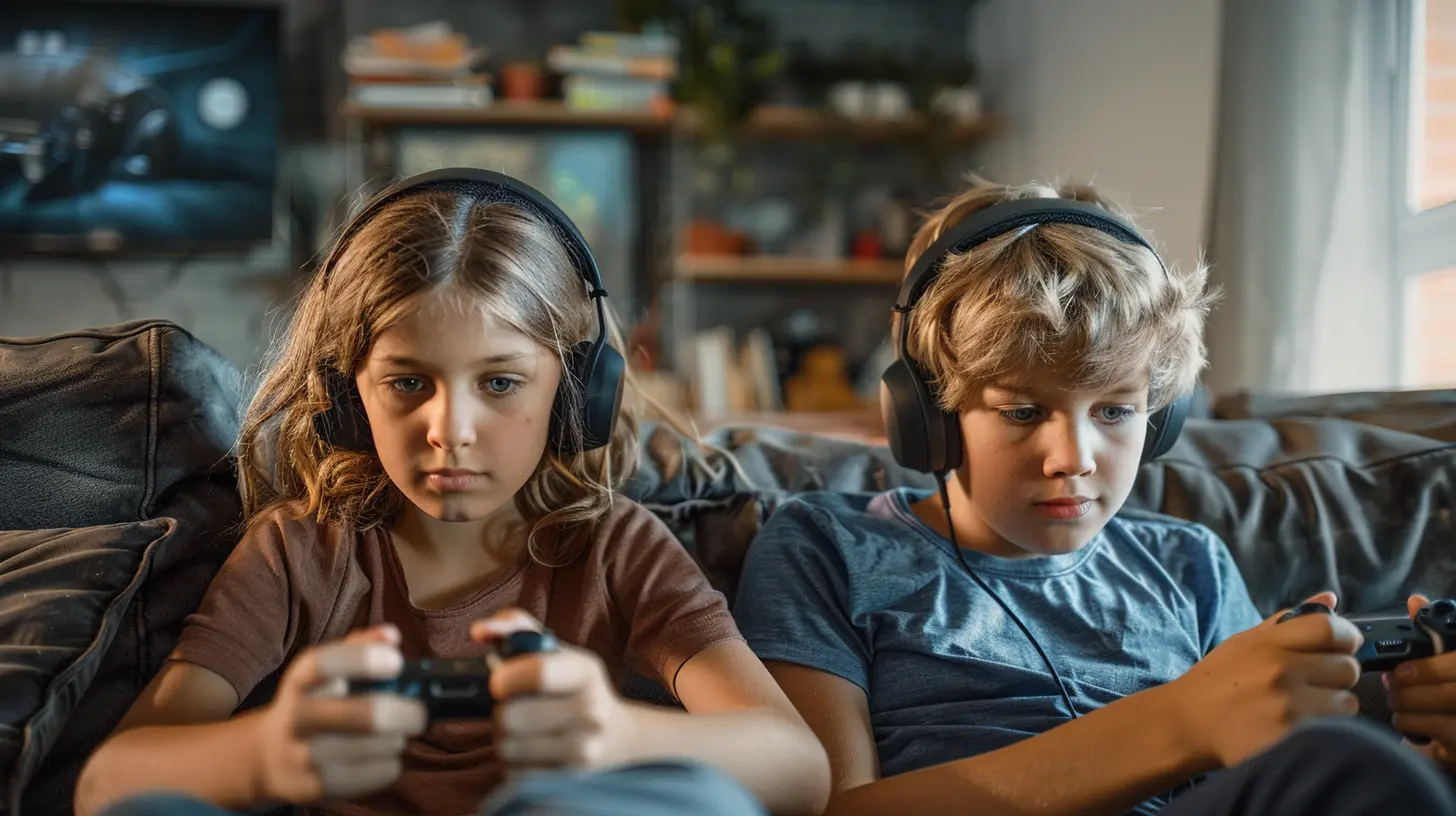
What Is Game-Based Learning?
Let’s start with the basics.Game-based learning (GBL) is exactly what it sounds like—using games to teach and reinforce knowledge or skills. The idea isn’t just to play games for fun (though that happens too), but to use the structure, challenges, and rewards of games to motivate learning.
Think of it like this: just like a game gets more exciting as levels get harder, learning becomes more engaging when it feels like you're leveling up with each bit of knowledge you master.
Unlike traditional teaching that can sometimes feel like a one-way street, games create an interactive loop. There’s action, feedback, and progression. This hooks learners in, and before you know it, they’re soaking up material like a sponge.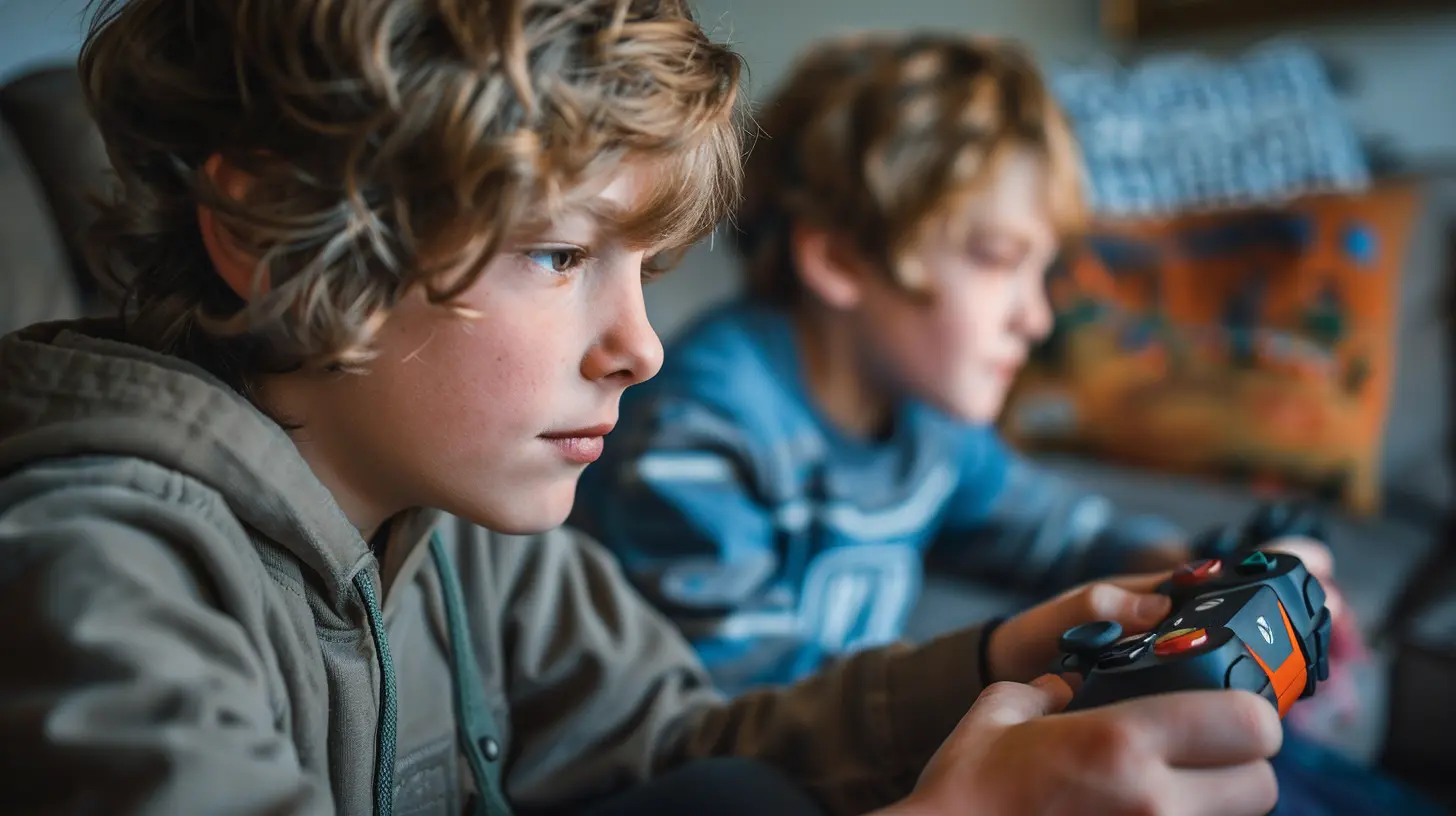
Why Bother with Game-Based Learning at Home?
You might be wondering—why should I even consider this?Well, let’s be real. Kids love games. They’re drawn to them like moths to a flame. But here’s the kicker: when done right, educational games don’t feel like "work". They feel like play, even though they pack some serious learning power.
Here’s what game-based learning can do:
- Boost critical thinking and problem-solving
- Improve retention of information
- Increase motivation and engagement
- Encourage perseverance and goal-setting
- Foster collaboration (especially with multiplayer games)
Plus, it’s a fantastic way for parents to connect with their kids through something they both enjoy.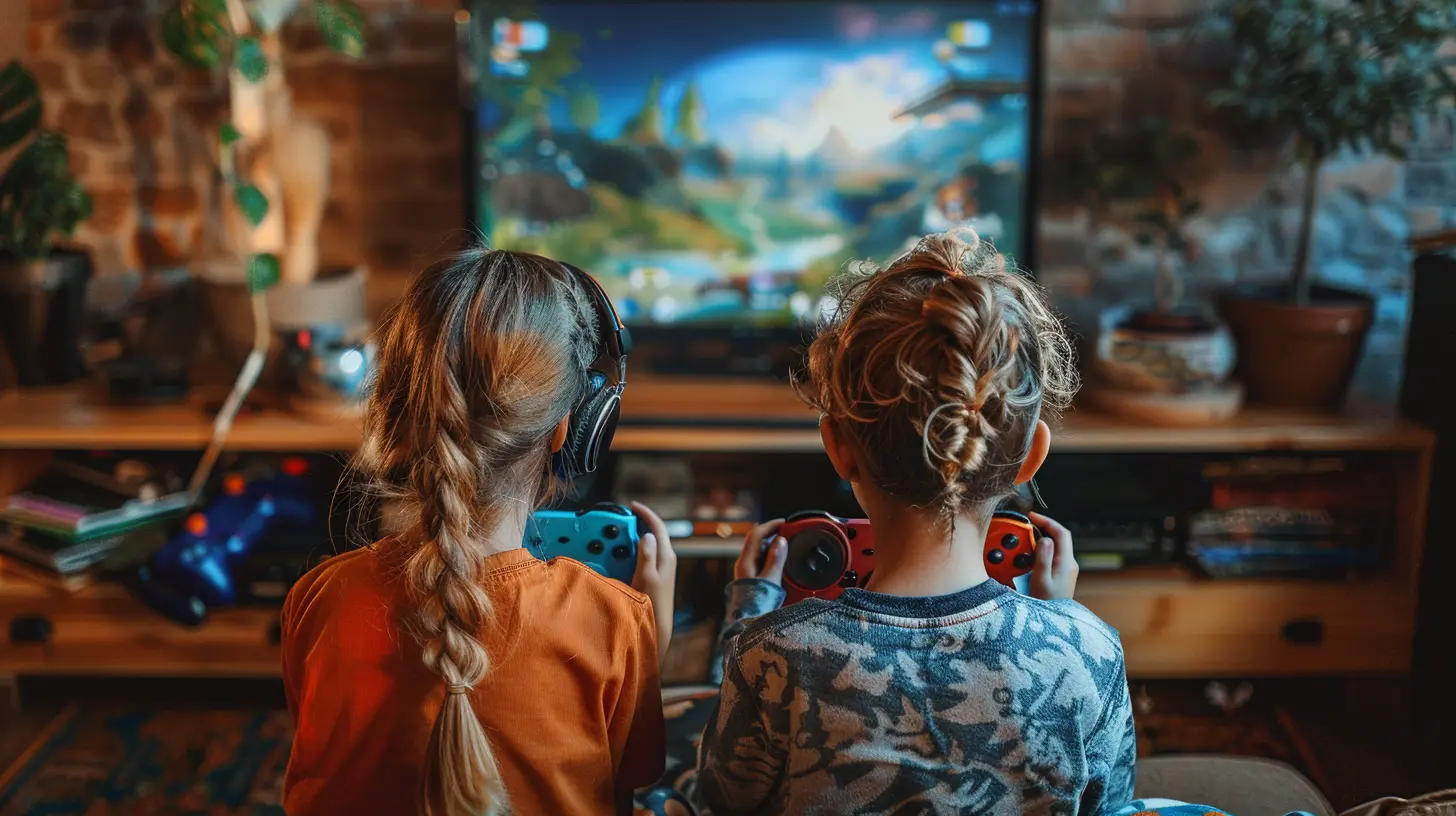
Building a Game-Based Learning Environment: Step-by-Step
Creating a learning environment at home that revolves around games doesn’t mean you need to transform your house into an arcade. (Although hey, that sounds kind of fun too.) It’s more about setting up the right mindset, tools, and structure.1. Understand Your Child’s Learning Style
First things first, every kid learns differently. Some are visual learners. Others pick things up by doing. Some love reading and writing, while others are all about physical activity.Before choosing the right games, get a handle on how your child learns best. Watch how they approach tasks. Do they like solving puzzles? Are they into stories? Do they enjoy competition?
Once you know their style, you can pick games that match—and suddenly, magic happens.
2. Choose the Right Educational Games
Not all games are created equal. You’ve got to be picky here. The best educational games are the ones that:- Align with what your child is learning or interested in
- Offer challenges that are just tough enough to stretch them
- Give instant feedback (this keeps engagement high!)
- Are age-appropriate and safe
Here are some awesome picks to consider:
- Math: Prodigy, DragonBox, Math Blaster
- Science: Kerbal Space Program, Tinybop apps, BrainPOP
- Language Arts: Endless Alphabet, Scribblenauts, Reader Rabbit
- History & Geography: Where in the World is Carmen Sandiego?, Civilization VI (for older kids), Google Earth games
- Creativity & Logic: Minecraft: Education Edition, Portal 2, Scratch
And don’t forget board games! Titles like “Catan,” “Ticket to Ride,” or even “Scrabble” sneak in a LOT of learning.
3. Set Learning Goals (Without Making It Feel Like School)
Here’s where many people stumble. They take something fun—like games—and suddenly load it up with rules, tests, and pressure.That’s not the vibe we want here.
Instead, work with your child to set fun, flexible learning goals. Maybe it’s “complete five missions in Prodigy this week,” or “build a working volcano in Minecraft.” Keep goals specific, achievable, and most of all—relevant to their interests.
Better yet? Let them help pick the goals. When kids feel ownership, they’re way more invested.
4. Create a Dedicated Space
You don’t need a full-blown classroom, but having a space that’s “game-learning friendly” makes a difference. Think:- A quiet corner with comfy seating
- A desk with enough space for a computer or tablet
- Good lighting
- Headphones (for when focus is needed)
- Storage for games, workbooks, and creative supplies
It sends a subtle signal: “This is your learning and exploration zone.”
5. Mix It Up To Keep It Fresh
Let’s face it—kids have short attention spans. If you keep serving the same “learning style” every day, interest will vanish faster than you can say “bored.”So mix it up. Alternate between digital games and unplugged activities. Use different genres—strategy games, puzzle games, adventure games. Add in real-world challenges they can “unlock” through in-game achievements (kind of like side quests in life!).
Make learning feel like a grand, ever-changing adventure.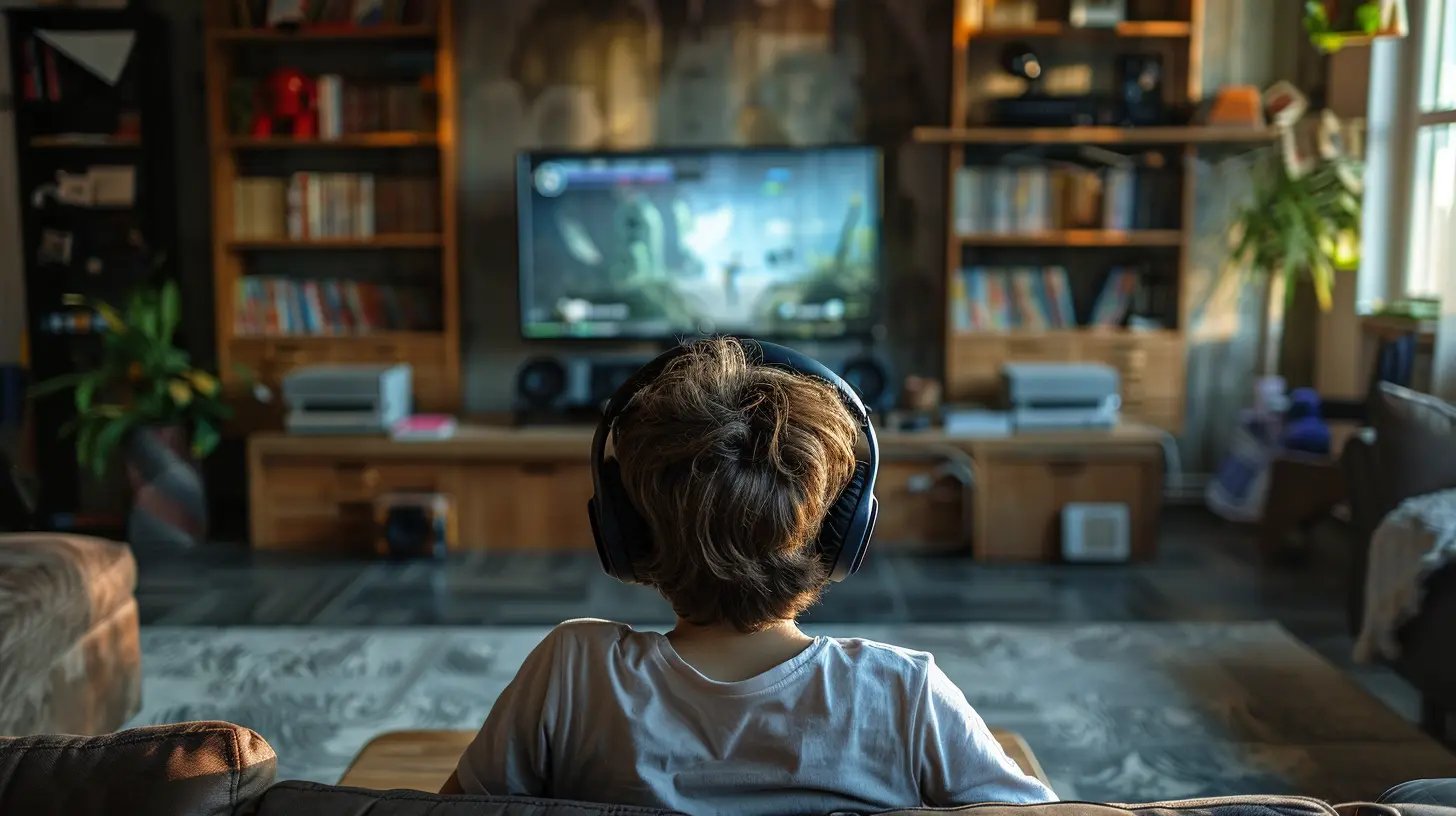
Leveling Up with Gamification
Here’s where things get next-level.Gamification is not the same as game-based learning—but it works alongside it beautifully. While game-based learning uses actual games, gamification adds game-like elements to non-game tasks. Think points, badges, leaderboards, or progress bars.
You can gamify your entire homeschooling setup or even chores around the house. For example:
- Award XP (experience points) for completing lessons
- Unlock "boss battles" (special tests or projects)
- Create levels they can rise through
- Give badges for mastering skills (math ninja, grammar guru, etc.)
It turns daily routines into quests. And who doesn’t want to be the hero of their own story?
Keep It Balanced
Okay, real talk—too much screen time is a legit concern. The goal here isn’t to replace all learning with screen-based games. It’s about balance.Use games as a tool, not a crutch.
Pair digital games with offline activities. Use them to introduce concepts, then reinforce those ideas with discussion, drawing, writing, or hands-on experiments. Help your child see the connections between what they play and what they do in the real world.
Example: Played a game about ecosystems? Go build a mini-ecosystem in a jar.
Don't Forget the Power of Storytelling
Great games don’t just teach—they tell stories. And stories are sticky. They help us remember information. They spark emotion. They give context to facts.So when choosing or designing games, look for ones that have narrative depth. Or better yet, encourage your child to create their own game. Let them write the rules, draw the characters, create missions. It’s an amazing blend of creativity, logic, and storytelling.
You’d be shocked at how much “school stuff” sneaks into game design—math for keeping score, writing for story elements, problem-solving for mechanics.
Engage With Your Kids—Don’t Just Observe
Want to power-up your game-based learning environment? Join in!Seriously, sit down and play with your kids. Ask them questions. Celebrate their successes. Get curious. When they see you taking an interest—and maybe even struggling a bit in the game yourself—it makes learning a shared journey.
Plus, it builds connection. And let’s be honest, we could all use more of that.
The Long Game: What You’re Really Teaching
This might all sound like fun and games (because it literally is), but the value runs deep.You’re not just teaching facts or concepts. You’re nurturing:
- A growth mindset (failures are just steps to success)
- Independent learning
- Creative thinking
- Digital literacy
- Resilience and perseverance
These are the real superpowers of the 21st century.
And the best part? Your home doesn't have to feel like school. It can feel like a place of discovery, curiosity, and joy.
Final Thoughts
Creating a game-based learning environment at home isn’t about replacing teachers or traditional education—it’s about enriching it. It’s a sparkle you can add to the everyday. A way to turn the mundane into epic quests and transform your child into an eager learner who actually wants to climb that next knowledge level.It doesn’t take a fancy setup, a ton of money, or hours of research. Just start with what your child loves, add a dash of creativity, and let the games begin.
Remember: the goal isn’t perfection—it’s progress. So start where you are, use what you have, and play your way into powerful learning.
all images in this post were generated using AI tools
Category:
Educational GamesAuthor:

Stephanie Abbott