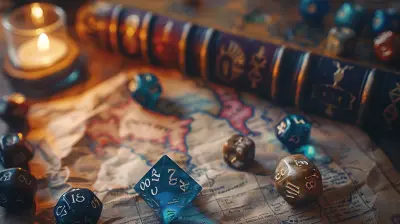
Crafting Effective Learning Goals through Gaming
1 April 2026
Ever tried to teach someone something and hit a wall? Like you're speaking another language and they're just nodding along, pretending to get it? Yeah, we’ve all been there. But what if I told you there's a fun, easy, and surprisingly powerful way to create learning goals that actually stick—and it's through something most of us already love… gaming.
Gamers, teachers, parents, and curious minds—welcome to the leveling-up of education. 🎮
Let’s talk about how we can shape meaningful learning goals—goals that are clear, measurable, and (dare I say it) fun—by looking at what games do so well. Buckle up, because we're about to bridge the gap between XP and GPA.
Why Games Are Secretly Brilliant Teachers
Alright, think about your favorite game. Whether it's Minecraft, The Legend of Zelda, or Fortnite, what do they all have in common?They teach you things. Constantly.
You're always learning new mechanics, unlocking abilities, solving problems, and working toward achievements. And here's the kicker: you actually want to do it. Why? Because the game gives you goals that make sense, are worth your time, and—hello—are fun to pursue.
Let’s break it down.
1. Clear Objectives = Better Focus
In most games, you're never wandering around wondering what you're supposed to do. There’s a quest, a goal, or a clear big boss waiting. You know the “why” behind your actions.In education or personal skill-building, that’s like saying: “I want to get better at math” versus “I want to master multiplication so I can calculate how many resources I need in Minecraft.”
Which one sounds more doable?
2. Instant Feedback Keeps You on Track
Games slap you with feedback as soon as you mess up (or win). Miss a jump? Start over. Get sniped? Try again.This rapid feedback loop helps players learn fast and adapt. When crafting learning goals, feedback needs to be just as quick and relevant.
It’s the difference between waiting weeks to get a graded test back or getting real-time hints while solving a puzzle in a game.
3. Levels Make Mastery Manageable
Games don’t expect you to beat the final boss right out the gate—they ease you in. Level 1 builds confidence, Level 2 adds complexity, and so on.Effective learning goals should work like game levels—start simple, then layer the challenge.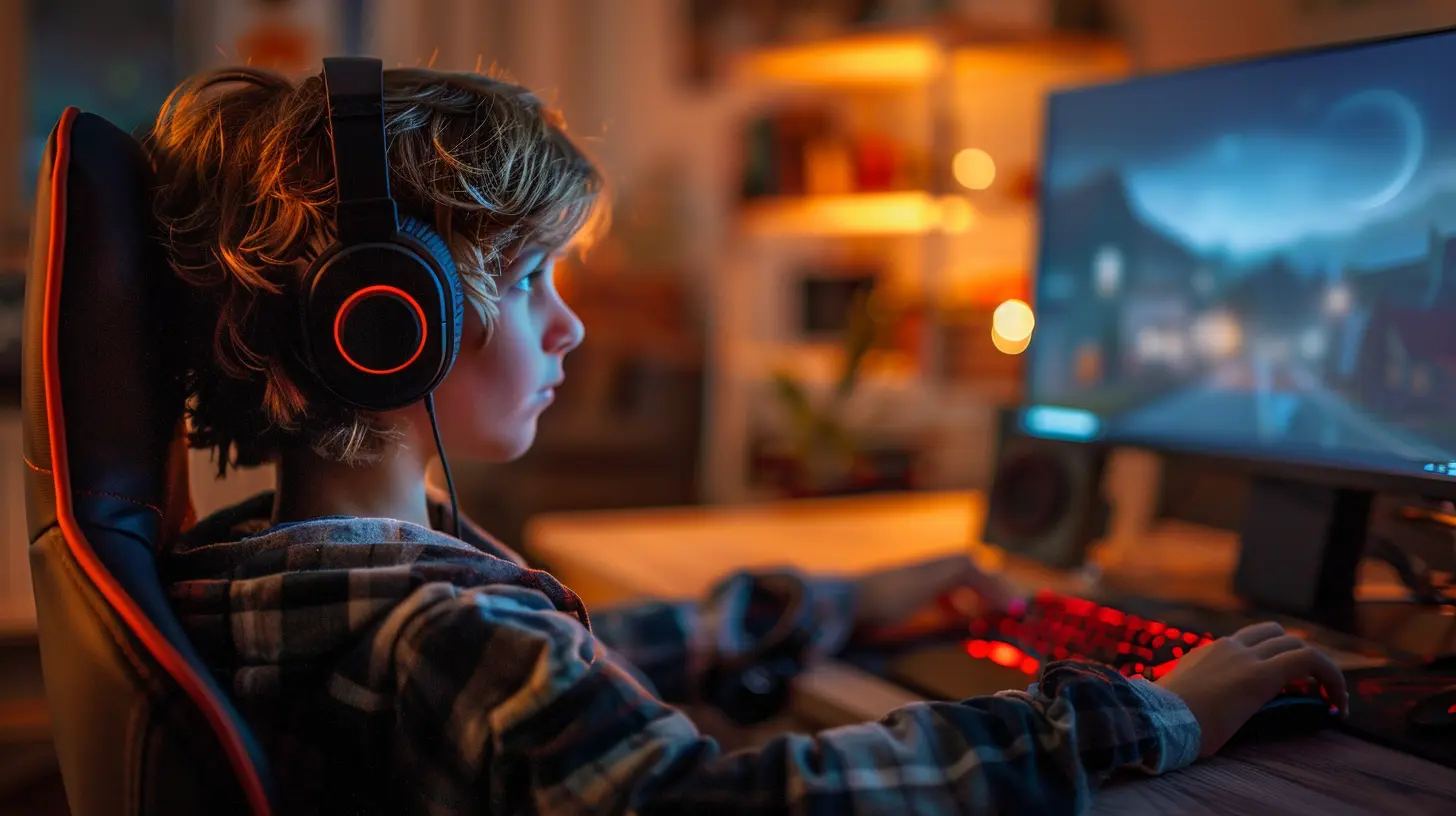
What Learning Goals Actually Should Look Like
Alright, before we get lost in the Mushroom Kingdom, let’s define what a good learning goal looks like.A solid goal ticks these boxes:
- 🎯 Specific – Pinpoint what needs to be learned
- 🔍 Measurable – You can track progress or success
- ⏱ Time-bound – There’s a deadline or timeframe
- 💪 Achievable – It’s realistic (not “learn 5 languages overnight”)
- ⚡️ Relevant – It matters to the learner
Put another way: A good learning goal is like a well-written quest log. You read it and go, “Cool, I know what I need to do now.”
Turning Games into Goal-Making Machines
Let’s make this real. Here are some ways games can help you or your learners set goals that push the limits—in a fun, no-pressure kinda way.1. Role-Playing Games (RPGs): Building Identity and Purpose
RPGs are goal-setting goldmines. You pick a role, accept quests, and grow your character’s abilities.❓How to use it: Ask learners, “What kind of character are you becoming?” Are they a coding wizard? A history detective? Having a narrative helps them find purpose and shape their goals.
📝 Example Goal: “Complete two beginner coding missions (tutorials) this week to earn your ‘Apprentice Coder’ badge.”
2. Sandbox Games (Minecraft, Roblox): Creativity with Constraints
These games give players freedom to create but still have built-in challenges and limits.❓How to use it: Encourage open-ended projects with clear parameters. Want someone to learn geometry? Have them design a building with specific shapes and measurements.
📝 Example Goal: “Design a Minecraft house that includes at least 3 types of polygons. Submit screenshots and label the shapes.”
3. Strategy Games (Age of Empires, Civilization): Critical Thinking Under Pressure
Nothing hones problem-solving like needing to fend off a barbarian attack right now while managing your economy.❓How to use it: Set goals around planning, resource allocation, and decision-making.
📝 Example Goal: “Use Civilization VI to document 3 strategic decisions made during gameplay and identify the historical relevance of your civilization’s tech path.”
4. Puzzle and Logic Games (Portal, Sudoku, Among Us): Brain Boosters
These games make you analyze, deduce, and think in ways that textbooks just can't mimic.❓How to use it: Turn difficult concepts into puzzles. Let learners solve problems inside games to reflect real-world thinking.
📝 Example Goal: “Solve 5 math puzzles in Prodigy focusing on fractions, then write down 3 things you learned.”
Gamify the Goal Itself
Here’s where things get spicy. Instead of only using games to achieve goals, why not turn the goal-setting process into a game?Create a Goal-Setting Leaderboard
Set up a physical or digital board where learners can display their goals and track progress. Add XP, badges, and even mini-boss challenges for hitting milestones.👥 Example: “You’ve earned 100 XP for completing your weekly learning goal. Next challenge: Teach someone else what you learned!”
Introduce Side Quests
Sometimes the main goal feels a little... meh. Enter side quests!These are smaller, lower-stakes goals that still build skills but keep things fresh.
💡 Goal Side Quest: “Write a short story about your character’s experience learning coding instead of submitting an assignment.”
Weekly Loot Drops
Reward effort and consistency with “loot”—think custom avatars, digital stickers, or even 5 extra minutes of free game play time.🎁 Pro Tip: Make rewards customizable. Let learners choose their level-up perks. Autonomy = motivation.
Gaming + Growth Mindset = Power Combo
Effective learning goals also shape how people think about their abilities. Games are built around failing forward. You don’t beat Dark Souls on your first go unless you’re some kind of wizard.And that’s a good thing.
Teaching kids and adults that it’s okay to fail, retry, and improve over time is probably one of the most powerful lessons any game offers.
So when you’re crafting learning goals through gaming, build in room for retries, iterations, and tiny wins that add up to big growth.
Let learners expect to try again. That’s how champions are made.
Real Examples of Gamified Learning Goals in Action
Let’s peek into some real-life scenarios where gaming and goal-setting collide like Sonic and a loop-de-loop.Scenario 1: The Math Mage
- 🎯 Goal: “Reach level 10 in Prodigy Math Game by solving 50 fraction problems correctly.”- 💡 Why It Works: Combines skill mastery with a game level-up, which is naturally motivating.
Scenario 2: The History Quest
- 🎯 Goal: “Complete virtual museum tour in Assassin’s Creed Discovery Mode and write a 1-page reflection on Ancient Egypt’s contributions to society.”- 💡 Why It Works: The experience is immersive, and the goal adds a creative expression layer.
Scenario 3: The Team Strategist
- 🎯 Goal: “Win 3 co-op matches in Overwatch and identify 5 teamwork strategies used in successful rounds.”- 💡 Why It Works: Focuses on communication, collaboration, and analysis—all while playing a popular game.
Parents and Teachers: You’re the Game Masters
Don’t worry, you don’t have to be a full-blown gamer to set all this up. Think of yourself as the Dungeon Master in D&D—you guide the game, set the challenges, and cheer on your adventurers.Here’s how to get started:
- 🎲 Find out what games your learners love
- ✍️ Help them write down goals in the language of those games
- 🧩 Break goals into chunks, just like game levels
- 🏆 Celebrate wins—even the small ones
- 🔁 Encourage retries and learning from mistakes
It’s not about adding more screen time—it’s about using games intentionally to boost motivation and make learning… well, something learners actually want to do.
Final Boss Thoughts
Learning goals shouldn’t feel like a final exam—they should feel like that moment you finally beat a tough level you've been stuck on for days. That surge of “YESSS!” that comes from persistence, clarity, and growth? That’s what we’re aiming for.Games do this effortlessly. And now, you can too.
By crafting effective learning goals through gaming mechanics, you’re not just leveling up education—you’re making it epic.
So the next time someone says “you’re wasting time playing games,” just smile and say, “Actually, I’m working toward my next learning milestone.”
*Roll for initiative, friends.
all images in this post were generated using AI tools
Category:
Educational GamesAuthor:

Stephanie Abbott
Discussion
rate this article
2 comments
Elara Price
Gaming transforms learning into exciting adventures!
April 8, 2026 at 4:46 PM
Stephanie Abbott
Absolutely! Integrating gaming into learning can make the process both fun and impactful. It turns challenges into quests and knowledge into rewards.
Zephyrine Sanchez
This article effectively highlights the transformative potential of gaming in education. However, it could further explore the balance between intrinsic motivation and structured learning goals, ensuring that gameplay remains engaging while still fostering measurable educational outcomes. A nuanced approach is essential.
April 7, 2026 at 5:15 PM
Stephanie Abbott
Thank you for your insightful comment. I appreciate your suggestion on balancing motivation and learning goals. It's a crucial aspect that can enhance the effectiveness of gaming in education. Your feedback will help shape future discussions.