Beneath the Surface of Subtlety: Shadow Tactics' Samurai Lore
28 January 2026
When it comes to strategy games, few titles manage to mix stealth, storytelling, and historical intrigue quite as masterfully as Shadow Tactics: Blades of the Shogun. This real-time tactics game doesn't just entertain; it immerses you in a rich tapestry of feudal Japan, full of cunning assassins, relentless samurai, and the delicate balance between honor and survival. But have you ever stopped to dive deeper into the game's samurai lore? What lies beneath the stoic armor, the sharp katanas, and the tightly wound code of bushido? Let’s peel back the layers and uncover the essence of samurai culture embedded within this tactical masterpiece.
The Samurai: More Than Just Warriors
At first glance, samurai are often mistaken as mere sword-wielding warriors, but in Shadow Tactics, they are depicted as much more than that. Historically, samurai embodied the elite warrior class of feudal Japan, serving as both soldiers and administrators. Their lives were deeply rooted in the principles of bushido, or "the way of the warrior," a philosophy that emphasized honor, loyalty, and discipline above all else.In the game, the samurai aren’t just enemies or companions—they represent an unyielding force of moral and martial strength. You can feel this in the way characters interact with samurai NPCs; whether they’re soulless foes or symbols of a bygone era of unity, they demand respect. And… let’s be honest, they’re also a huge pain to kill. I mean, these guys can’t be taken down with a simple shuriken or a sly distraction. But isn’t that the point? Samurai are supposed to embody resilience, making you think twice before engaging one head-on.
Bushido in Action: Honor vs. Survival
Bushido is the lifeblood of samurai lore—and Shadow Tactics does a brilliant job of weaving it into the fabric of the game. The philosophy of bushido revolves around moral values such as loyalty, courage, benevolence, and respect. It wasn’t just a code; it was their way of life. And while the game doesn’t slap you across the face with a lecture on bushido, you can feel its influence in every interaction, every character arc, and every stealthy decision you make.Take the protagonist samurai, Mugen, for instance. He’s not just a skilled swordsman; he’s a walking embodiment of honor. His dialogue, choices, and even his combat style reflect an adherence to bushido. You really get the sense that for Mugen, fighting isn’t about greed or survival—it’s about duty. Compare that to some of the other characters in the game, like Yuki or Takuma, who lean more on pragmatism and cunning. It’s fascinating to see this dynamic play out because it creates a subtle tension between honor and practicality. In a world where sneaking in shadows is often preferable to facing enemies head-on, Mugen’s steadfast adherence to bushido feels almost like a relic of a fading era.
The Conflict of Tradition vs. Modernity
One of the more subtle but profound themes in Shadow Tactics is the tension between tradition and modernity. The game is set during Japan's Edo period, a time when peace under the Tokugawa shogunate brought about significant change. For centuries, the samurai thrived as a warrior class, but with peace came a shift in their role. Many samurai were left without battles to fight, leading some to take on administrative roles, while others became ronin—masterless samurai.This historical transition is reflected in the game’s narrative and gameplay. You can feel the friction between the old and the new in the way samurai are positioned. On one hand, they are revered symbols of discipline and tradition. On the other, they’re often obstacles in your path—remnants of an old system that no longer serves the evolving world. It’s almost poetic, isn’t it? The very figures who once upheld the empire’s order become the roadblocks to change.
Even the diversity within your own team echoes this theme. While Mugen represents the older, honorable way of doing things, characters like Aiko and Yuki bring a more pragmatic, almost modern approach to survival. This dichotomy forces you, the player, to question your own values. Do you stick to an honorable path, respecting the old ways? Or do you embrace pragmatism, bending the rules for the sake of survival?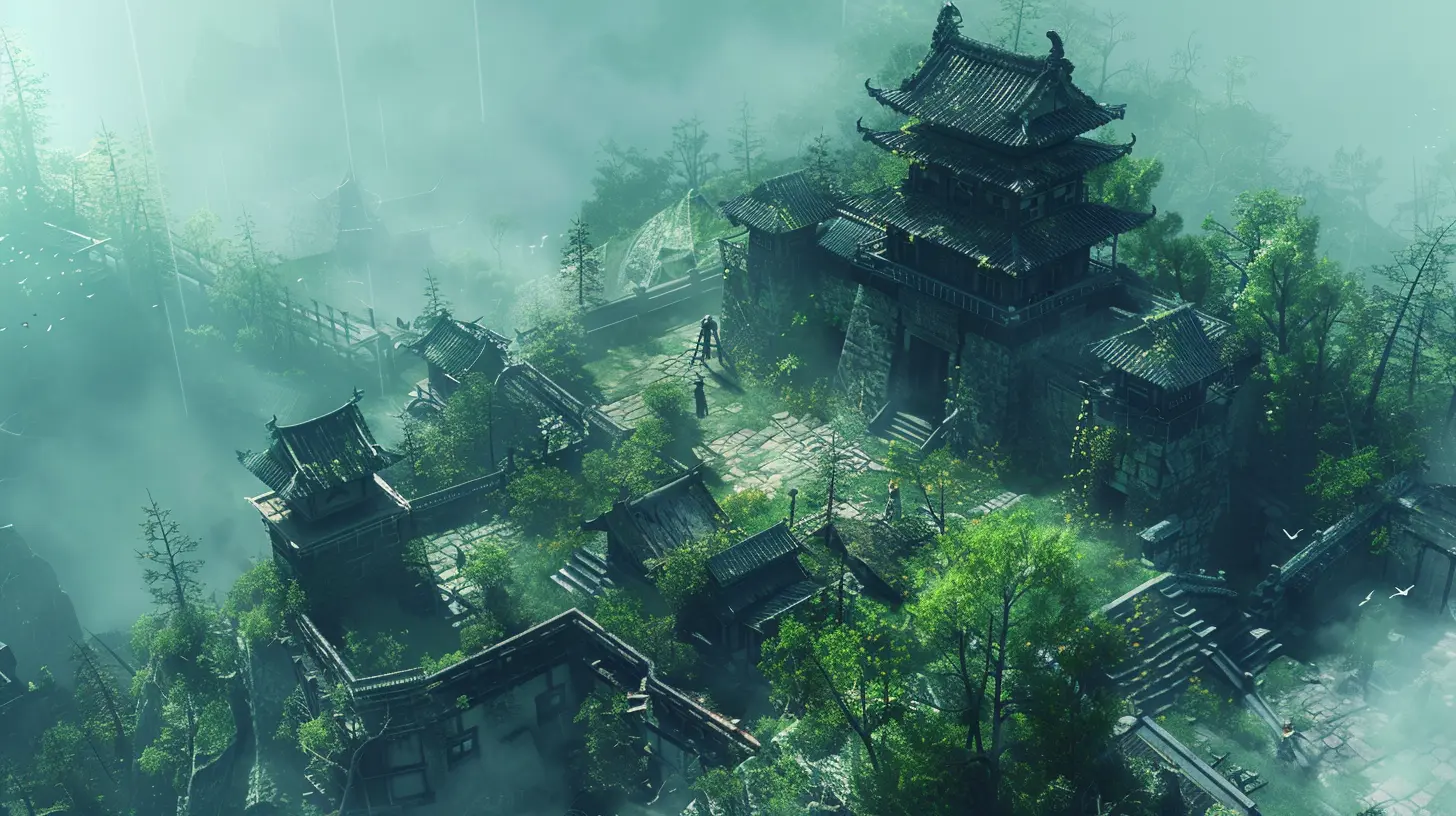
Samurai and Stealth: A Contradiction?
Here’s a funny thought: samurai and stealth seem like total opposites, don’t they? Samurai are all about standing tall, facing enemies head-on, and showing off their katanas in broad daylight. Meanwhile, stealth is about—well—hiding in bushes, throwing rocks, and vanishing into thin air. Yet, Shadow Tactics somehow marries the two ideas seamlessly.The game cleverly uses the samurai’s unbending code of honor to make stealth gameplay even more intense. Think about it: samurai in Shadow Tactics are tough cookies to deal with. You can't just backstab them or lure them into traps easily. This forces you to respect their strength and cunning, even as you're actively trying to outsmart them. It’s almost as if the game is saying, “Yeah, you can hide in the shadows, but don’t you dare underestimate the light.”
And let’s not forget Mugen. He’s proof that, even as a samurai, you can adapt to stealth gameplay without betraying your code. His ability to draw enemies’ attention and then take them down in an honorable duel feels like a nod to traditional samurai ideals, but it’s executed in a way that fits perfectly with the stealth-based mechanics of the game.
The Human Side of Samurai
For all their discipline and deadly precision, samurai are human, too. They have fears, doubts, and moments of vulnerability. And Shadow Tactics doesn’t shy away from showing this side of them. Through Mugen’s character, you get glimpses of the internal struggles that come with living such a rigid, duty-bound life.There’s a scene (no spoilers, don’t worry) where Mugen is forced to question his loyalty. It’s heart-wrenching because you know how much his code means to him. Watching him wrestle with the idea of dishonoring his shogun for a greater cause is both painful and enlightening. It’s a reminder that even the most disciplined warriors have cracks in their armor—metaphorically, of course.
The game’s narrative not only respects the samurai as warriors but also as people. It’s easy to think of samurai as untouchable legends, but Shadow Tactics grounds them in reality. They laugh, grieve, and, above all, make mistakes. It’s this humanity that makes the game’s storytelling so powerful.
Why Shadow Tactics Nails Samurai Lore
What makes Shadow Tactics such a standout title in the crowded field of strategy games is its ability to balance history with fiction. The samurai aren’t just thrown in as a gimmick or stereotype. Instead, they’re treated with depth and respect, woven into the game’s mechanics, narrative, and atmosphere.The game doesn’t bombard you with historical details, yet you can feel the authenticity in everything from the characters’ designs to their interactions. It’s like the developers didn’t just want you to play as a samurai or fight against one—they wanted you to feel what it means to live by their code. And that’s an experience few games manage to deliver.
Closing Thoughts
So, the next time you’re crouched behind a bush, plotting your next move in Shadow Tactics, take a moment to consider the samurai lore woven into its DNA. These aren't just faceless enemies or tropes—they’re a reflection of a complex, fascinating culture that’s been beautifully captured in a game about shadows and subtlety. Whether you’re a history buff, a stealth enthusiast, or just someone who loves a good story, there’s something undeniably special about how Shadow Tactics handles its samurai.all images in this post were generated using AI tools
Category:
Lore And StorylinesAuthor:

Stephanie Abbott
Discussion
rate this article
2 comments
Raegan Abbott
This article beautifully captures the intricate layers of lore in Shadow Tactics. The blend of strategy and storytelling is truly remarkable, and I appreciate how you delved into the subtleties that often go unnoticed. Thank you for shedding light on this fascinating aspect of the game!
February 5, 2026 at 6:04 AM
Stephanie Abbott
Thank you for your kind words! I'm glad you enjoyed the exploration of Shadow Tactics' lore and its intricate storytelling.
Ardent Alexander
Insightful take on Shadow Tactics' storytelling!
January 29, 2026 at 5:36 AM
Stephanie Abbott
Thank you! I'm glad you found the insights on Shadow Tactics' storytelling engaging!