Behind the Scenes of In-Game Currency Design
13 February 2026
Ever played a game and wondered why you need gold, crystals, or bananas (yes, some games go that route) to buy stuff in-game? That’s all part of a clever system called in-game currency, and trust me, it’s more than just a flashy number sitting in the corner of your screen. There's actual science, psychology, and a fair bit of wizardry behind how game devs design these currencies.
So, let’s pull back the curtain and dive into the world behind the scenes of in-game currency design. Whether you're a gamer, a developer, or just curious, this topic is eye-opening — and maybe a tad mind-blowing too.
🎮 What Exactly Is In-Game Currency?
Let’s start with the basics. In-game currency is the money—virtual money—you use within a game to purchase items, upgrades, skins, power-ups, and sometimes even bragging rights. It can be anything from gold coins in an RPG to V-Bucks in Fortnite.There are usually two main types:
- Soft currency: Earned through regular gameplay. Think XP points or coins.
- Hard currency: Usually bought with real dollars. Premium stuff like gems or credits.
Some games toss in multiple currencies, and yes, that’s 100% intentional. Which brings us to...
🧠 The Psychology Behind Currency Design
Game developers aren’t just throwing in coins for decoration—they’re playing Cupid between your brain and their business model. The layout, names, colors, even the sound it makes when you earn some? All designed to keep you coming back.The Dopamine Loop
Every time you collect or spend in-game currency, your brain releases dopamine—a feel-good chemical. Think of it like hitting a jackpot, even if it’s just a pixelated coin. That “ding” sound when you earn currency? That’s not random. It’s engineered to feel rewarding.Perception of Value
Real money is tangible—you hold it, you spend it, you (hopefully) save it. But digital coins? They blur the lines. Since in-game currency doesn’t feel “real,” players are more likely to spend it. That’s why you’ll see games using bundles, like 1,200 gems for $9.99 instead of 1 gem = $0.01.Tricky, right?
💸 How Developers Design Currency Economies
Designing an in-game economy is like balancing a tightrope over a pool of demand, supply, enjoyment, and monetization. One wrong move and the whole thing collapses into chaos.Here’s what devs have to consider:
1. Balancing Inflation
Ever played a game where everything suddenly felt ridiculously expensive? That’s inflation creeping in. If players earn too much currency too quickly, prices have to go up, or the game loses challenge and value. It's like printing money in a real economy—fun for a while, then poof! Worthless.To avoid that, developers tweak drop rates, store pricing, and loot frequency. It’s a constant juggle.
2. Scarcity vs. Abundance
Scarcity creates value. If a currency is hard to get, players want it more. But make it too rare, and frustration sets in. Too abundant? It becomes meaningless.That’s why you’ll commonly see a grind-heavy soft currency and a tempting, faster hard currency. The grind incentivizes you to play, while the shortcut makes you consider pulling out your wallet. Smart, huh?
3. Currency Sinks
A common tactic is to build “currency sinks”—places where players regularly spend money so the economy doesn’t overflow. Think item upgrades, repairs, energy refills, or cosmetic items.Without these sinks, your coin stash would eventually resemble a digital Scrooge McDuck vault.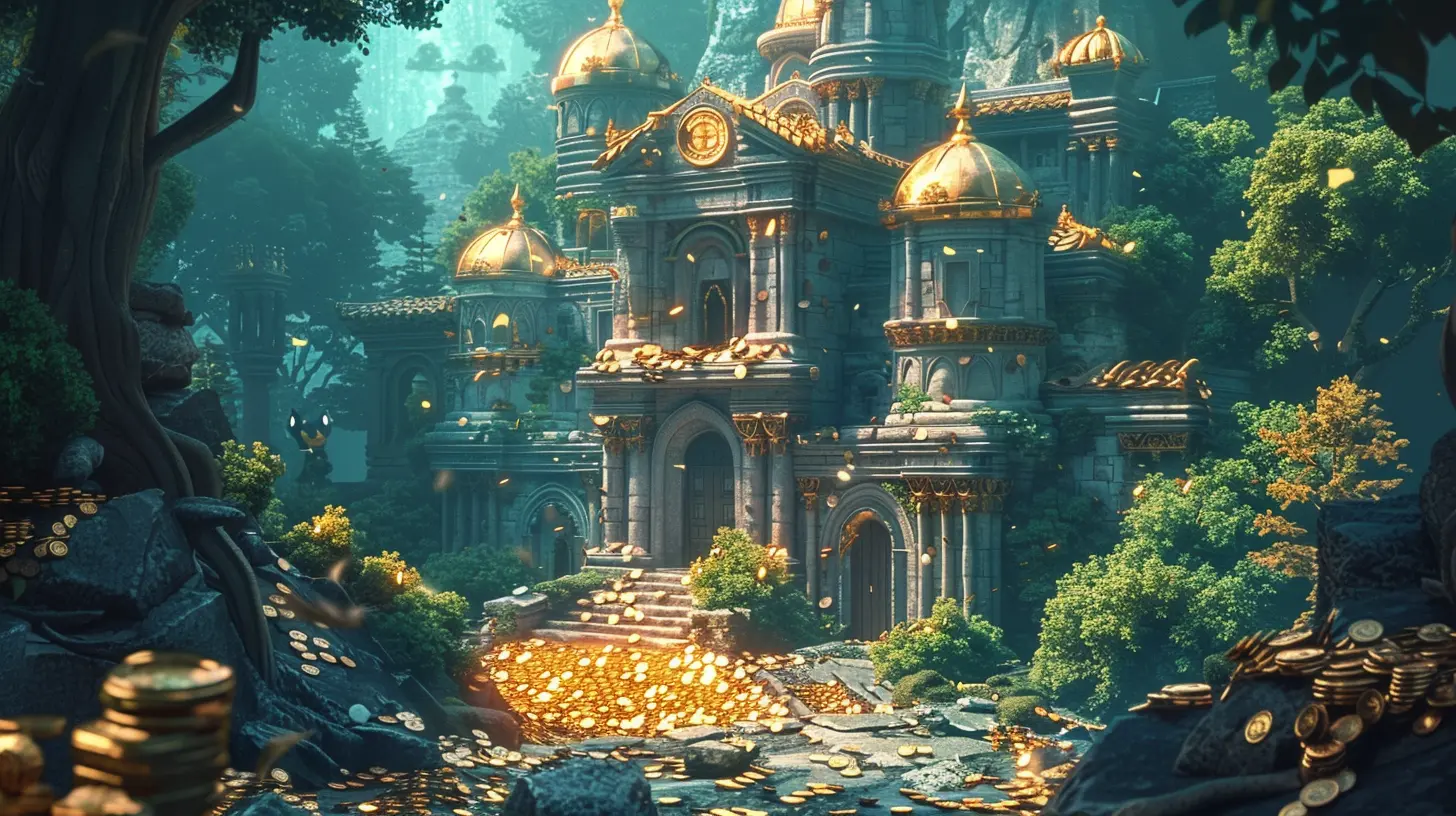
🕹️ Dual-Currency Systems: Love or Trap?
Let’s talk dual-currency systems—the ones that use both a soft and a premium currency. Some games even go the extra mile with three or more (hello, mobile games).The Good
- Offers accessibility: Casual players can still progress without paying.- Encourages engagement: Keeps players grinding daily missions and events.
- Monetizes whales: Hardcore spenders can skip the grind and keep servers running.
The Risky
- Can feel manipulative: Players may feel pressured to pay when progress slows.- Confusing value: With multiple currencies, it’s hard to gauge what’s worth what.
- Pay-to-win backlash: If premium currency buys power, brace yourself for community outrage.
The trick is to design a system where spending feels optional, not mandatory. When done right, it’s art. When done wrong, it’s a money-grab.
🧩 Gamification of Currency Use
Great games don’t just offer currency—they make spending it fun and interesting. That’s where gamification comes in. It’s the art of turning everything into a game, even your in-game purchases.Limited-Time Offers & Stores
"Only 2 hours left to buy this rare skin for 999 crystals!” Sound familiar? This is classic urgency marketing. It plays on FOMO (fear of missing out) and pushes players into making snap decisions.Gacha Mechanics
Think loot boxes, card packs, or good ol’ fashioned lucky draws. These use your hard-earned or hard-bought currency for a chance at something amazing… or maybe not. Essentially, you’re spinning a digital roulette wheel.While fun, this design borders on gambling and has faced criticism (and even regulation) in various countries.
Upgrade Systems
Upgrading weapons or characters using currency adds another layer. More than just spending, it feels like investing. And if you’re like me, you’ll justify wasting all your precious coins on that level-10 flaming sword because it “just feels right.”🐳 The Whale Factor
In gaming lingo, a “whale” is a player who spends a LOT of money. We’re talking thousands of dollars. Most free-to-play (F2P) games rely heavily on a small pocket of whales to fund the game for everyone else.This creates an interesting (and sometimes controversial) design challenge: How do you make whales feel rewarded without alienating everyone else?
Some strategies include:
- Exclusive content for spenders
- VIP tiers or club memberships
- Premium-only cosmetics or faster progression
It’s a delicate dance. Games that cater only to whales risk losing their core audience. But without whales, many games simply wouldn’t be profitable.
🧪 Testing & Tuning: The Invisible Workload
Before any of this reaches players, there’s a ton of testing involved. A lot of it looks like spreadsheets, simulations, and feedback loops.A/B Testing
Game devs often test two or more versions of the currency system to see which one drives better engagement or revenue. You may not even know it, but your version of a game store might be different than your friend’s.Analytics Everywhere
Every click, purchase, or logout tells devs something. They analyze:- How often players earn/spend currency
- Where they get stuck or frustrated
- What pricing or bundles are most attractive
Based on this, they tweak the system like mad scientists in lab coats—except they’re probably in hoodies.
⚖️ Ethical Considerations
Let’s be real: in-game currency systems walk a fine line. Games are supposed to be fun, not manipulative. But when real money is involved, and when systems start feeling like gambling, it stirs up controversy.Should Kids Be Able to Buy Currencies?
Many debates center around how accessible these systems are to minors. Some countries have introduced laws requiring clear odds on loot boxes or even banning them altogether.Transparency and Fairness
More players are demanding transparency: Tell us what we're buying and make sure the game doesn't become “pay-to-win.” Fairness is key, and the best games find a way to monetize without feeling scummy.💬 Closing Thoughts: Why This All Matters
Next time you load up your favorite game and think about dropping some cash on those shiny gems, remember—there’s a deep, intricate world behind that purchase button.In-game currency design isn’t just about math or money—it’s about psychology, player behavior, economic balance, and ethical gameplay. When it hits the perfect balance? It’s seamless. You enjoy the game, feel rewarded, and maybe support the devs financially.
But when it’s done wrong, it can tank a game’s reputation faster than you can say “microtransactions.”
So, the next time you’re grinding for coins or debating a $4.99 gem pack, just remember: You're part of a grand, well-designed system. And knowing how that system works? Well, that’s your new power-up.
all images in this post were generated using AI tools
Category:
Game MonetizationAuthor:

Stephanie Abbott
Discussion
rate this article
2 comments
Porter Jacobs
Fascinating insights! I’m really intrigued by the psychology behind in-game currency design and how it influences player behavior. It’s amazing to see the balance between engagement and monetization strategies. I’d love to learn more about the development process and player feedback integration!
February 16, 2026 at 4:59 AM
Stephanie Abbott
Thank you! I'm glad you found the insights intriguing. The interplay between psychology, engagement, and monetization is indeed fascinating, and player feedback is crucial in shaping effective currency systems. I'll explore these aspects further in future articles!
Jade Good
Unseen forces shape value in digital realms—what hidden algorithms govern your virtual riches?
February 14, 2026 at 3:37 AM
Stephanie Abbott
Thank you for your insightful comment! Indeed, algorithms play a crucial role in shaping virtual economies, influencing everything from currency supply to player incentives. Understanding these mechanisms enhances our appreciation of digital value creation.