Analyzing the Success of Fortnite’s Monetization Model
21 January 2026
Fortnite isn’t just a game—it’s a cultural juggernaut. Since its explosive debut in 2017, it has taken the world by storm, dominating Twitch streams, YouTube channels, and the global gaming conversation. But here's the real kicker—it’s completely free to play. That might sound counterintuitive in a world of $70 AAA titles, but believe it or not, Fortnite has built an insanely profitable empire on a free-to-play model.
So, how the heck does that work? How has Epic Games turned a zero-entry-fee game into a multi-billion-dollar machine?
Let’s break it down and analyze the genius behind Fortnite’s monetization model and what makes it not just work—but thrive.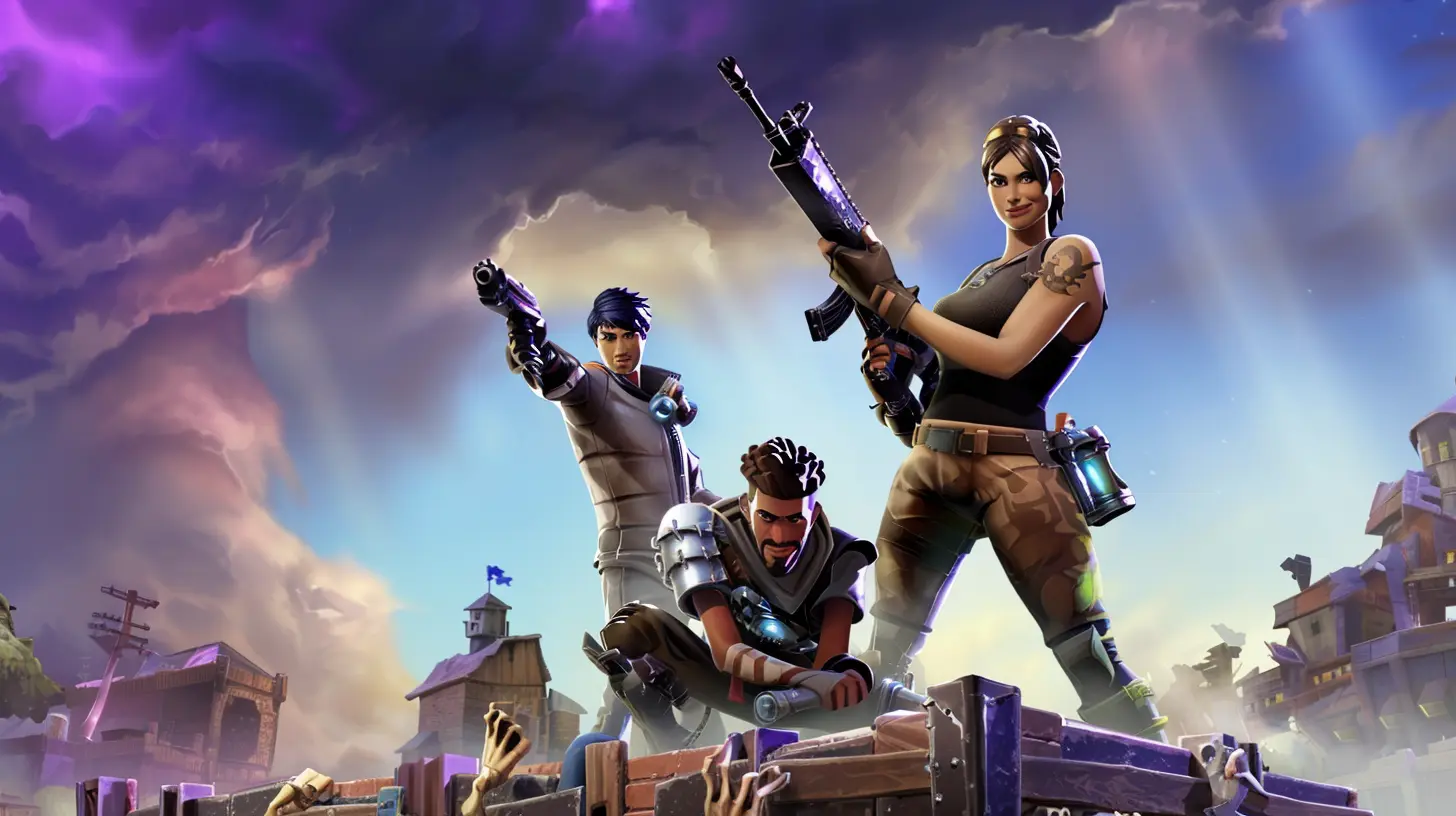
The Free-to-Play Model: A Trojan Horse of Success
Let’s start with the basics. Fortnite doesn’t charge players to download or start playing. That alone removes a huge barrier to entry. Anyone with a halfway decent console, PC, or even mobile phone (until its App Store spat) can jump in.But here’s the twist: once they’re in, they’re surrounded by stuff they want. And that’s where the money starts rolling in.
Epic Games understood this: don’t charge for entry—get them hooked, then offer them the goods they didn’t even know they needed.
Cosmetic-Only Purchases: Style Over Power
One of Fortnite’s most brilliant decisions? No pay-to-win mechanics. Let me say that louder for the people in the back—all purchases are cosmetic.Yep. Whether it’s ninja skins, banana suits, Marvel characters, or emotes that make your avatar dance better than you do in real life, none of these items give players a competitive edge. And people still can’t get enough.
This cosmetic-only system maintains competitive fairness. No one can accuse Epic of rigging the game for paying customers. It keeps the playing field level while still making the game incredibly profitable. Genius, right?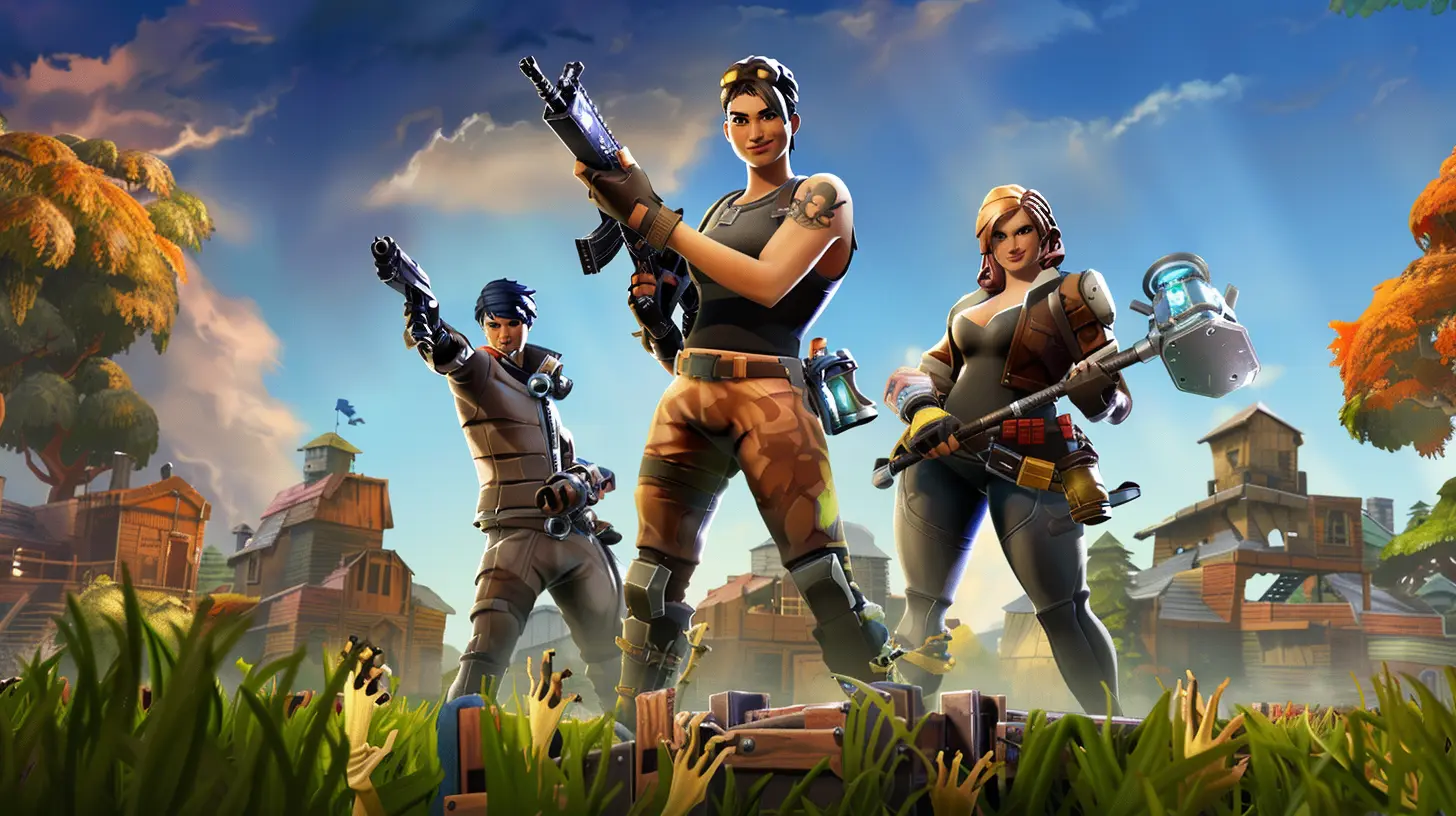
The Power of the Battle Pass
If we’re talking monetization, we can’t skip the Battle Pass. This is the crown jewel of Fortnite’s strategy.So what’s the Battle Pass? For around $10, players unlock access to a tiered reward system packed with exclusive skins, emotes, wraps, and more. The more you play, the more goodies you earn. It’s like a reward system that gamifies the game itself.
But here’s the kicker—players feel compelled to complete it. It adds a whole new layer of engagement. Miss a week? You’ve fallen behind. Don’t complete the pass by the end of the season? Those skins are gone—forever.
That fear of missing out (FOMO)? Epic Games weaponized it masterfully. The Battle Pass keeps players coming back while making them feel like they’re getting crazy value.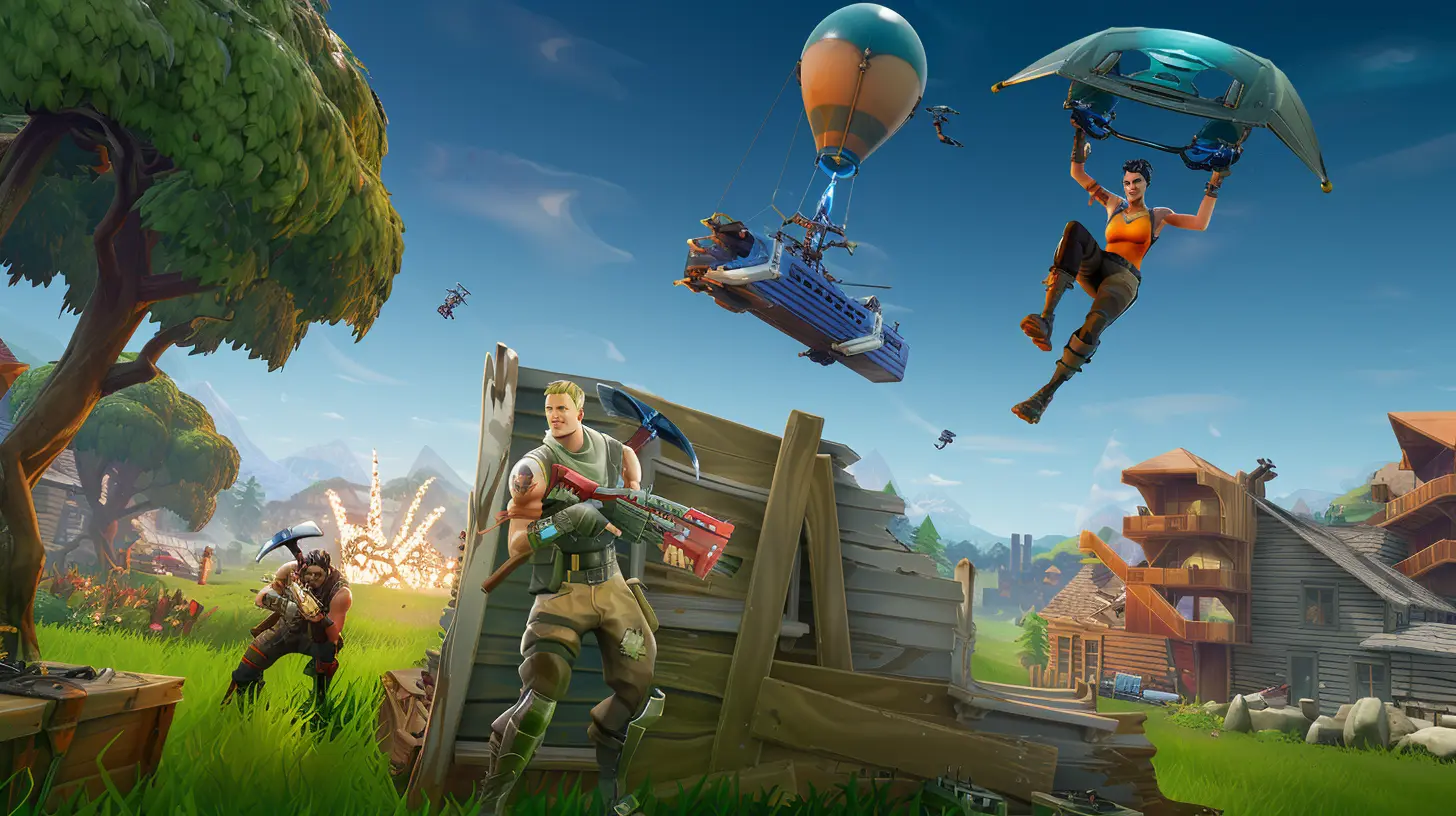
Seasonal Content: A Marketing Masterclass
Fortnite doesn’t sit still. Every few months, Epic Games flips the script with a brand-new season. Sometimes it’s pirates. Sometimes it’s superheroes. Sometimes it’s aliens. But it’s always fresh.These seasons bring massive changes to the map, gameplay mechanics, and of course—content in the Battle Pass and Item Shop.
This strategy does two big things:
1. It keeps the game from getting stale.
2. It gives Epic a constant stream of new cosmetics to sell.
And you better believe the community eats it up. Players buy cosmetics that match the new theme and show off their style. It's like switching up your wardrobe for every season—only digital.
Collaboration Overload: Brand Crossovers Galore
Let’s talk about crossovers. Fortnite’s been the king of teaming up with other brands. Marvel, DC, Star Wars, Stranger Things, Naruto, Dragon Ball, Travis Scott, Ariana Grande… It’s a mind-blowing list.These collaborations do more than add cool skins—they merge fanbases. A Marvel fan might hop into Fortnite just to play as Spider-Man. A music lover may jump in for a virtual concert.
What’s the result? A surge in players and purchases. Epic’s literally printing money every time they drop a new crossover.
And again—none of these collabs affect the gameplay. They're all about self-expression, identity, and being part of the moment.
The In-Game Store: A Daily Temptation
Epic Games nailed the psychology of shopping. Their rotating Item Shop changes daily, showcasing limited-time cosmetics. Players never know what they'll see next, which makes logging in daily tempting—just to "take a look."And when they find something they like? They only have a few hours to grab it.
Scarcity and urgency. Two golden rules of sales. Epic Games applies them with surgical precision.
V-Bucks: Virtual Currency, Real Impact
Let’s not forget the fuel behind the purchases—V-Bucks. Fortnite doesn’t sell skins directly with real money. Instead, you buy V-Bucks, and use them to make your purchases.It sounds small, but it’s a huge psychological boost. Spending fake money doesn’t feel like spending real dollars. Plus, most V-Buck bundles never match the exact price of the items, leaving players with leftover currency—and a subconscious nudge to top it off.
Also, you can earn V-Bucks through the Battle Pass. So even that purchase feels like an investment with returns.
Player-Driven Content and Community
Another reason Fortnite’s monetization model thrives? The community. The game constantly engages its players, not just with content, but with opportunities to be part of the creative process.With tools like Creative Mode and UEFN (Unreal Editor for Fortnite), players build their own maps, game modes, and even submit ideas that end up in the Item Shop.
It's not just Epic making money—it's a whole ecosystem where creators can profit too. That keeps the player base loyal, motivated, and always involved.
Live Events: Where Art Meets Commerce
If you’ve ever been in a Fortnite live event, you know it’s bonkers. We’re talking world-shattering, dimension-bending, music-thumping spectacles.More than just cool shows, these events double as massive marketing opportunities. When you attend a Travis Scott or Marshmello concert inside Fortnite, you're not just watching—you feel like you’re part of something huge.
And, of course, they come with their own themed skins and emotes. Limited-time only. Better grab them now or miss out forever.
Social Proof and Peer Pressure
Let’s be honest. Half the fun of Fortnite is showing off your cosmetic haul. You hit the lobby with a rare skin or legendary emote, and people notice. It’s digital street cred.And just like in the real world, when your friend flexes their shiny new outfit, what happens? You want one too.
It’s social pressure—and Epic Games counts on it. People aren’t just buying for themselves—they’re buying to be seen.
Global Appeal and Cross-Platform Play
Fortnite isn’t just American. It’s international. Its cartoonish art style, low violence, and simple mechanics give it huge worldwide appeal. Add in full support for cross-platform play, and you’ve got a recipe for a massive, united player base.That giant base translates to more eyeballs on the store and more potential sales.
Transparency Builds Trust
Epic also scores points for being pretty upfront with its monetization. Unlike many mobile games or loot-box-heavy titles, Fortnite doesn’t make users gamble for skins. What you see is what you get.This clarity builds trust and positive sentiment. Players feel more comfortable spending money in a system that doesn’t hide the outcome.
Monetizing Without Alienating
Perhaps the most impressive part of Fortnite’s monetization model? It earns billions without turning the game into a pay-to-win mess.That’s a delicate balance.
Too much monetization, and players feel exploited. Too little, and you don’t profit. Fortnite walks that tightrope like a pro.
Players who never spend a dime can still compete, still enjoy the experience, and still feel included. That inclusivity drives the community—and the bottom line.
What Other Games Can Learn
So, what can other developers take away from Fortnite? Here’s the short list:- Don’t charge for access. Get players in the door, then offer value.
- Avoid pay-to-win. Keep competition fair; monetize cosmetics.
- Use FOMO wisely. Make players want to log in regularly.
- Collaborate and crossover. Bring in outside fans.
- Make shopping an experience. Scarcity and routine work like magic.
- Empower your community. Let them create and contribute.
- Be honest. Show players what they’re buying—no shady loot boxes.
Fortnite didn’t just stumble into success. Every part of its monetization model is calculated, tested, and refined. It's less about squeezing wallets and more about giving players reasons to spend—willingly.
Final Thoughts
Fortnite’s monetization model is a masterclass in modern game economics. Epic Games cracked the code on creating a free-to-play title that doesn’t just monetize—thrives.They built a model that respects the player, encourages creativity, and offers real value for money. And in doing so, they’ve set the gold standard for the entire industry.
Whether you're a game developer, marketer, or just someone fascinated by how games make money, one thing’s clear: Fortnite is more than just a battle royale. It’s a business genius in disguise.
all images in this post were generated using AI tools
Category:
Game MonetizationAuthor:

Stephanie Abbott
Discussion
rate this article
2 comments
Quentin Morris
Fortnite's monetization model redefines gaming, proving that creativity and player engagement can drive unprecedented success and community loyalty!
January 30, 2026 at 5:26 AM
Stephanie Abbott
Thank you! Fortnite's innovative approach indeed demonstrates how effective monetization can enhance creativity and foster a loyal community.
Jaxon Willis
Fortnite's monetization model brilliantly balances player engagement and profit, yet risks alienating those who can't afford constant spending, highlighting the fine line in gaming ethics.
January 29, 2026 at 5:36 AM
Stephanie Abbott
Thank you for your insightful comment! Balancing player engagement with monetization is indeed a delicate challenge, and it’s crucial to consider the ethical implications of accessibility in gaming.